
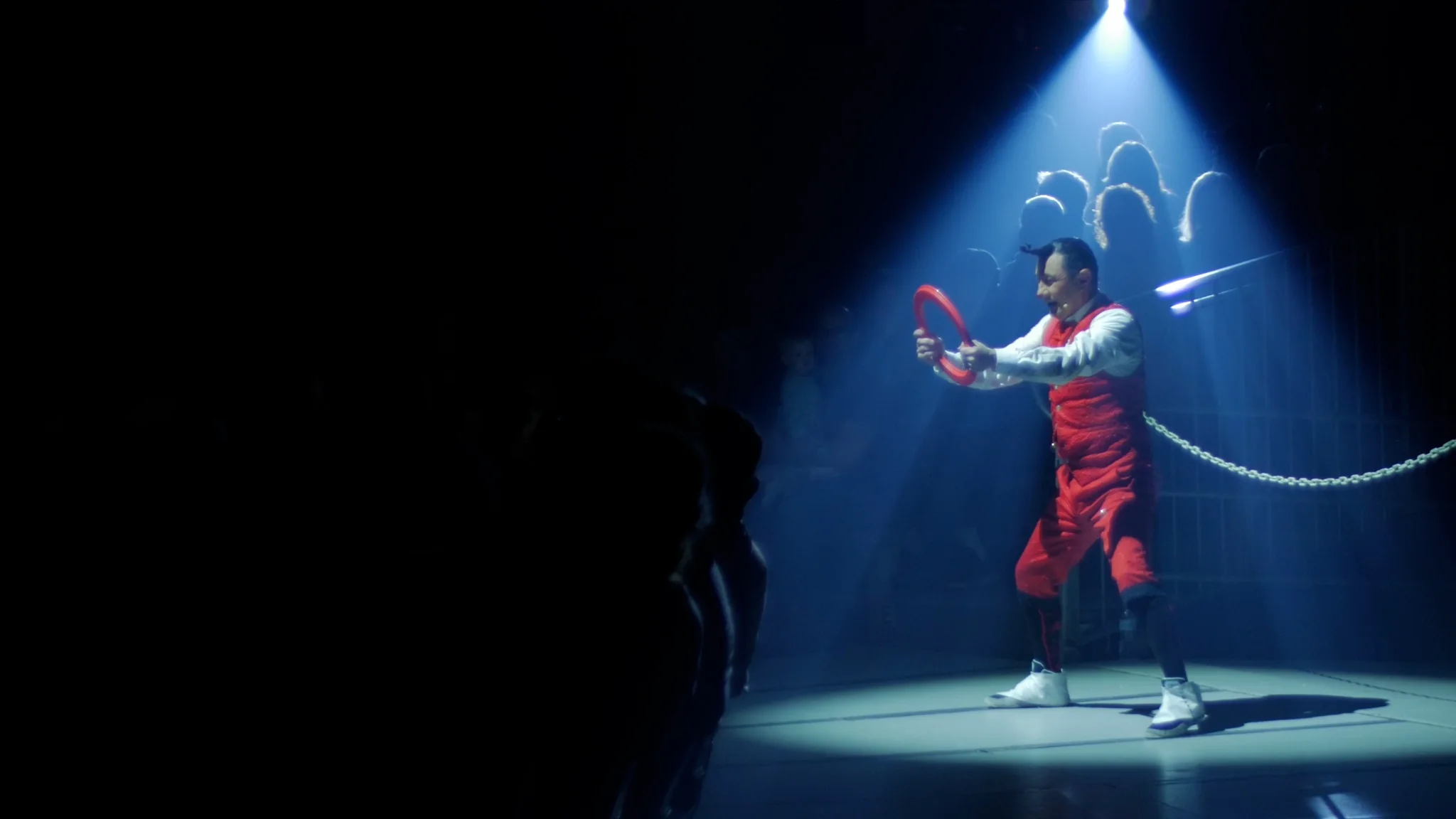
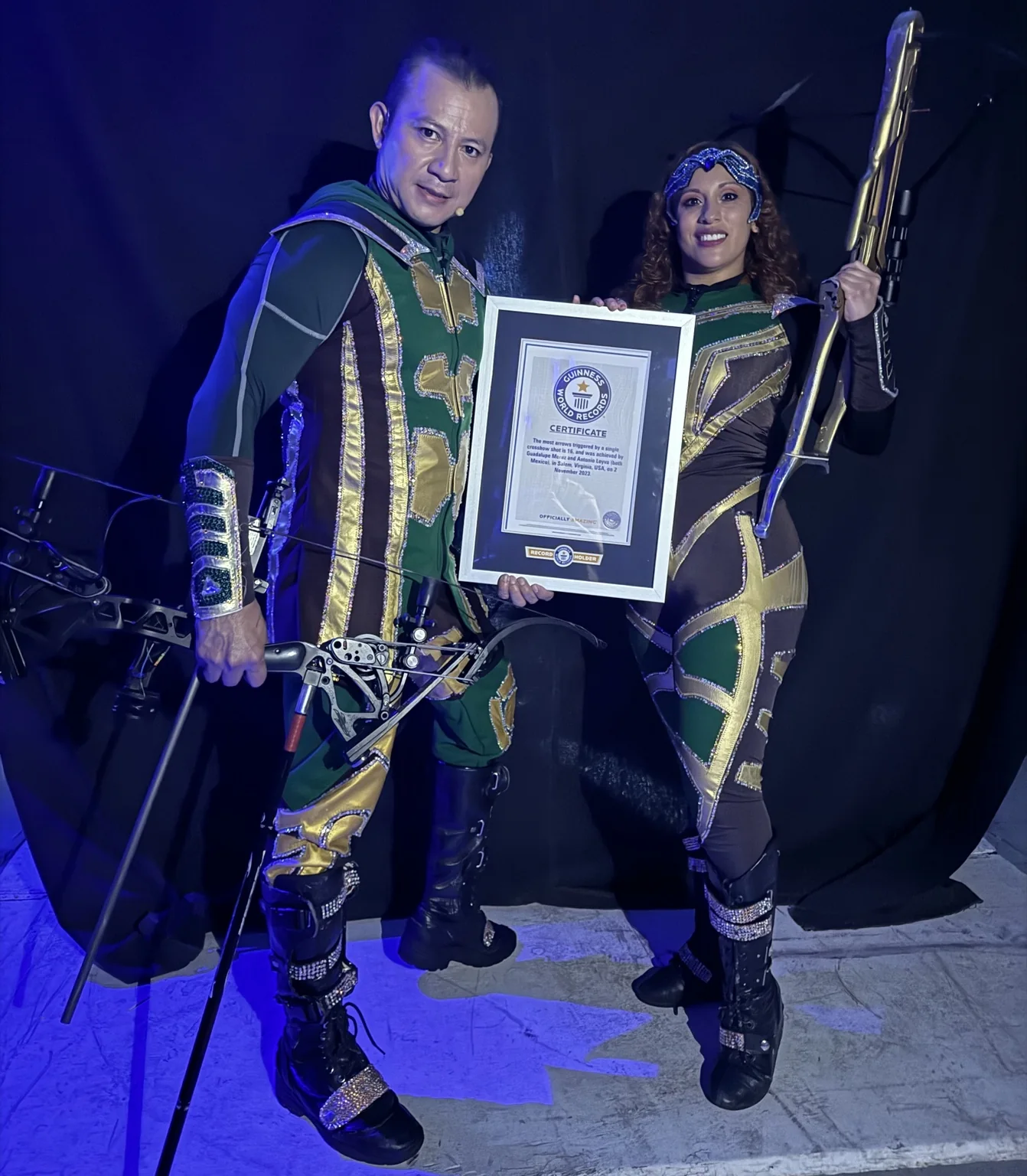
Amid the color and spectacle of the circus, Under The Big Top looks beneath the performance to meet the people who make it possible. The film follows performers from Cirque Italia’s Water and Paranormal shows, including Roxanne Midi, Margarita Denysova, and Alexander Acero, as they speak about the discipline, risk, and daily life of building a career in athletic entertainment.
This film predates Studio Portrait. Alexander Schleich served as cinematographer, editor, and field audio recordist.
01Pre-Production
From one strange idea to another.
The film did not begin with a circus. The first idea was a clown college in Orlando — an unusual course of study that seemed worth following. When that fell through, attention moved to an acrobatics school. That attempt did not develop either.
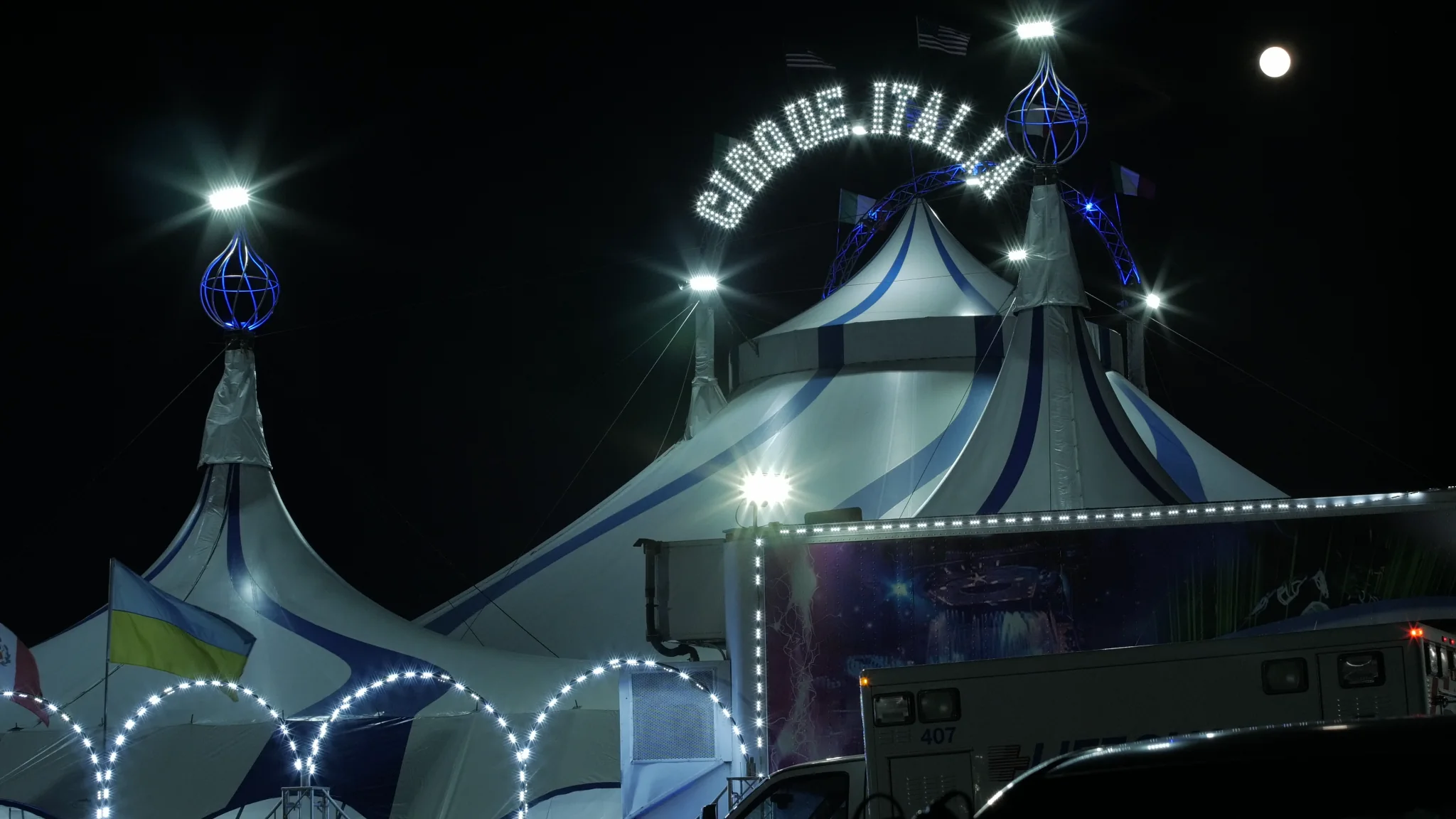
Then a traveling circus arrived. Paranormal Cirque Italia was different from Cirque Italia’s Water Circus, but it created the opening the project had been looking for. Roxanne Midi became the person who let the team inside — first through an interview in her trailer, then into the world of the Paranormal Cirque performance itself.
Access was earned gradually. The film was found by continuing to look.
02Production
Working without a second chance.
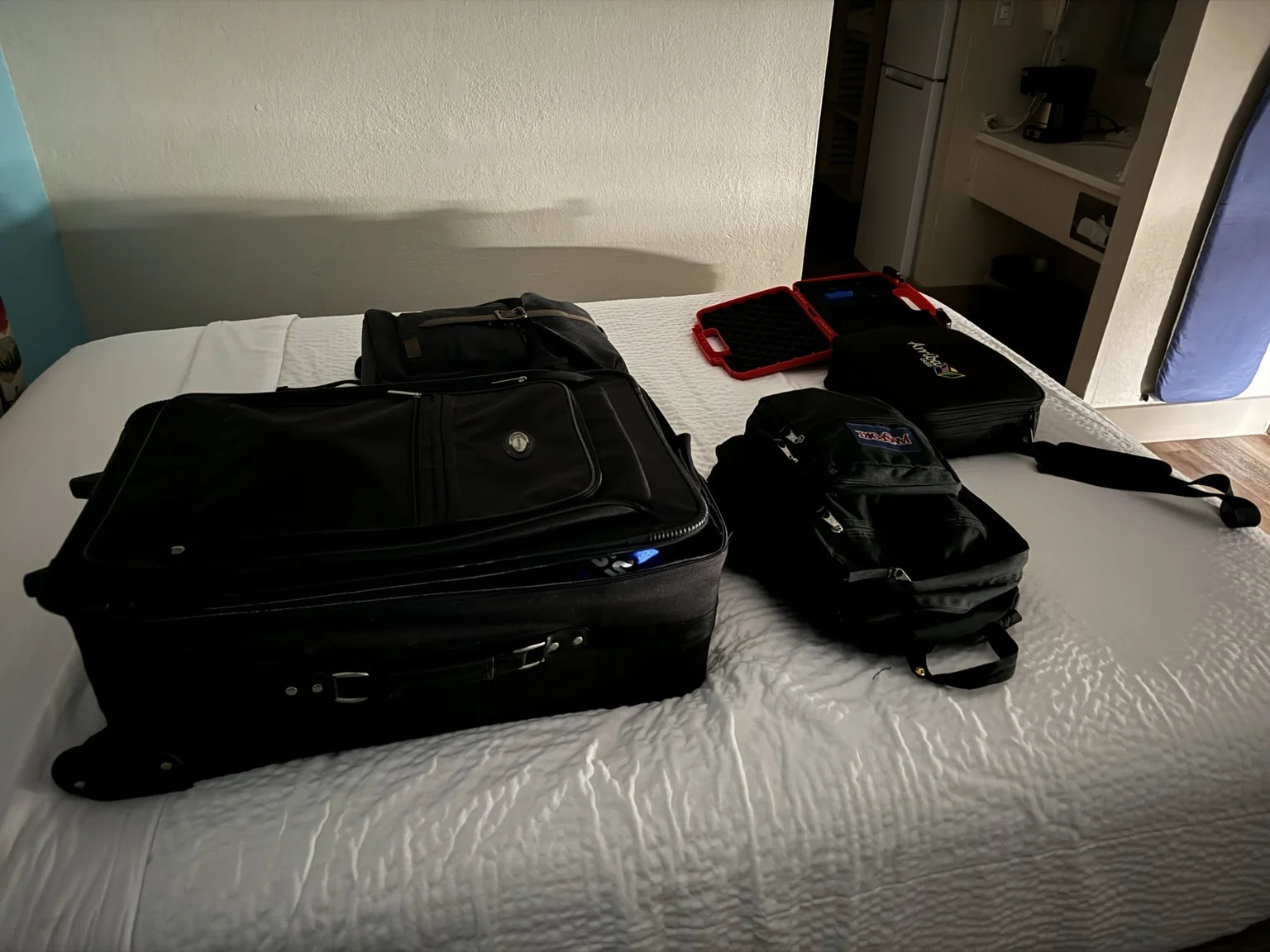
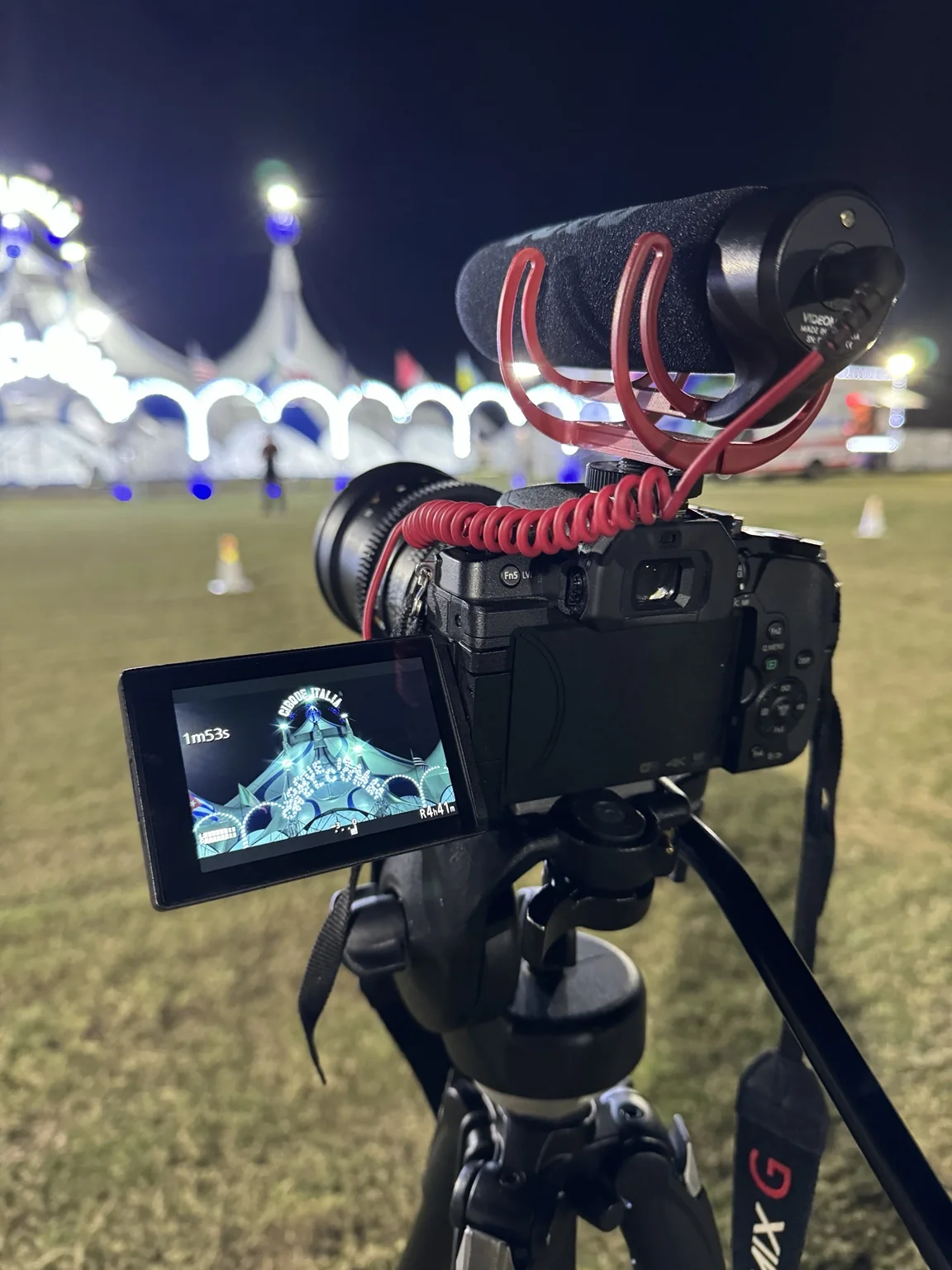
Production ran from February 21 through February 25, 2024 in Panama City Beach, roughly six hours from home. The crew was two people. There were no planned reshoot dates, and Alexander was carrying cinematography, field audio, and other technical responsibilities at once.
Let the stage remain a stage.
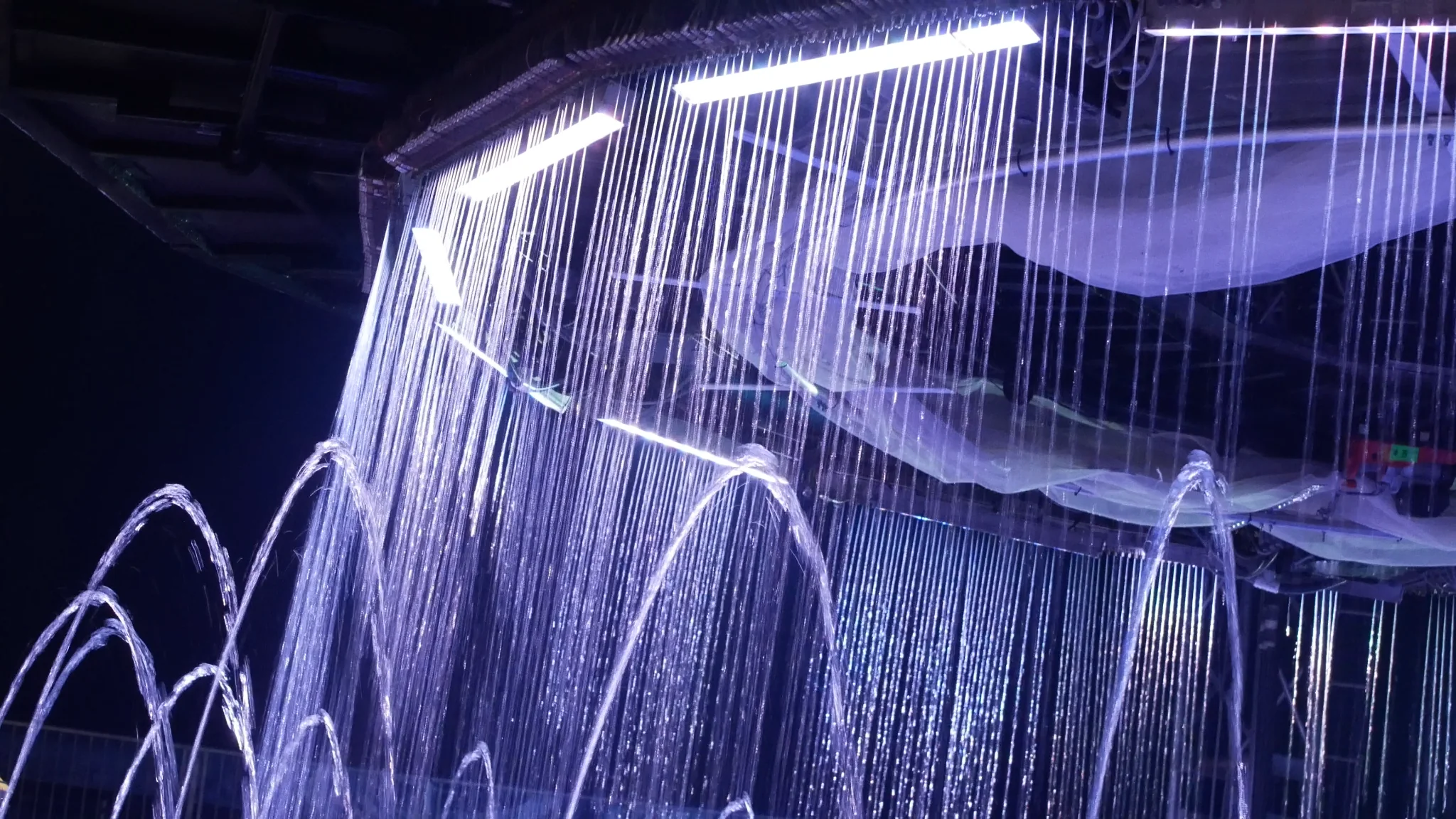
The performances were already built around controlled theatrical lighting, so the camera leaned into that rather than trying to flatten it. Most cinematographers would have advised against using a variable ND inside a circus tent, especially under demanding stage lighting, but the risk was worth taking for the denser, more contrast-driven image it produced. The filtration pushed the highlights and shadows further apart, allowing the professional lighting to feel more exaggerated, theatrical, and deliberate.
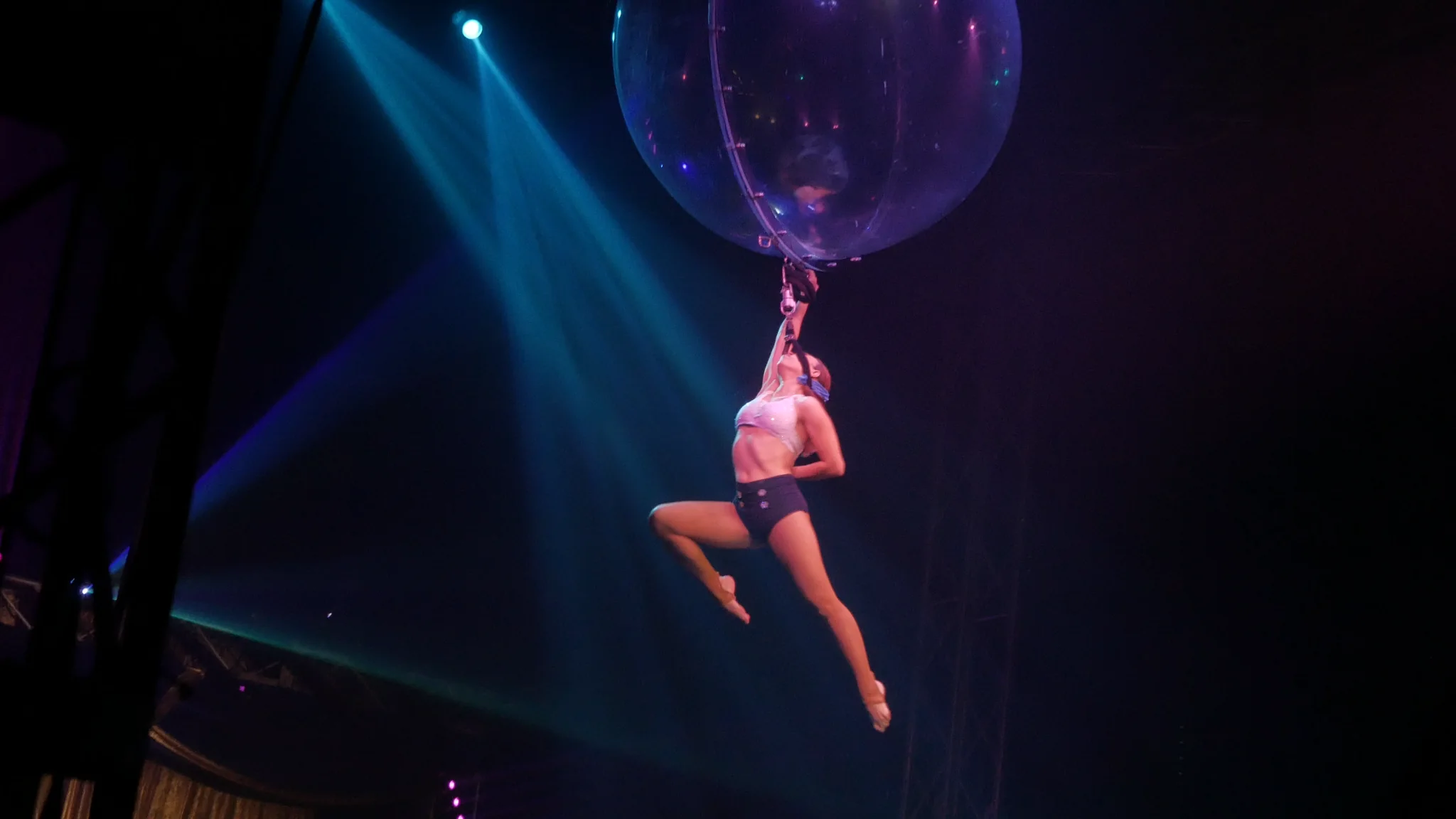
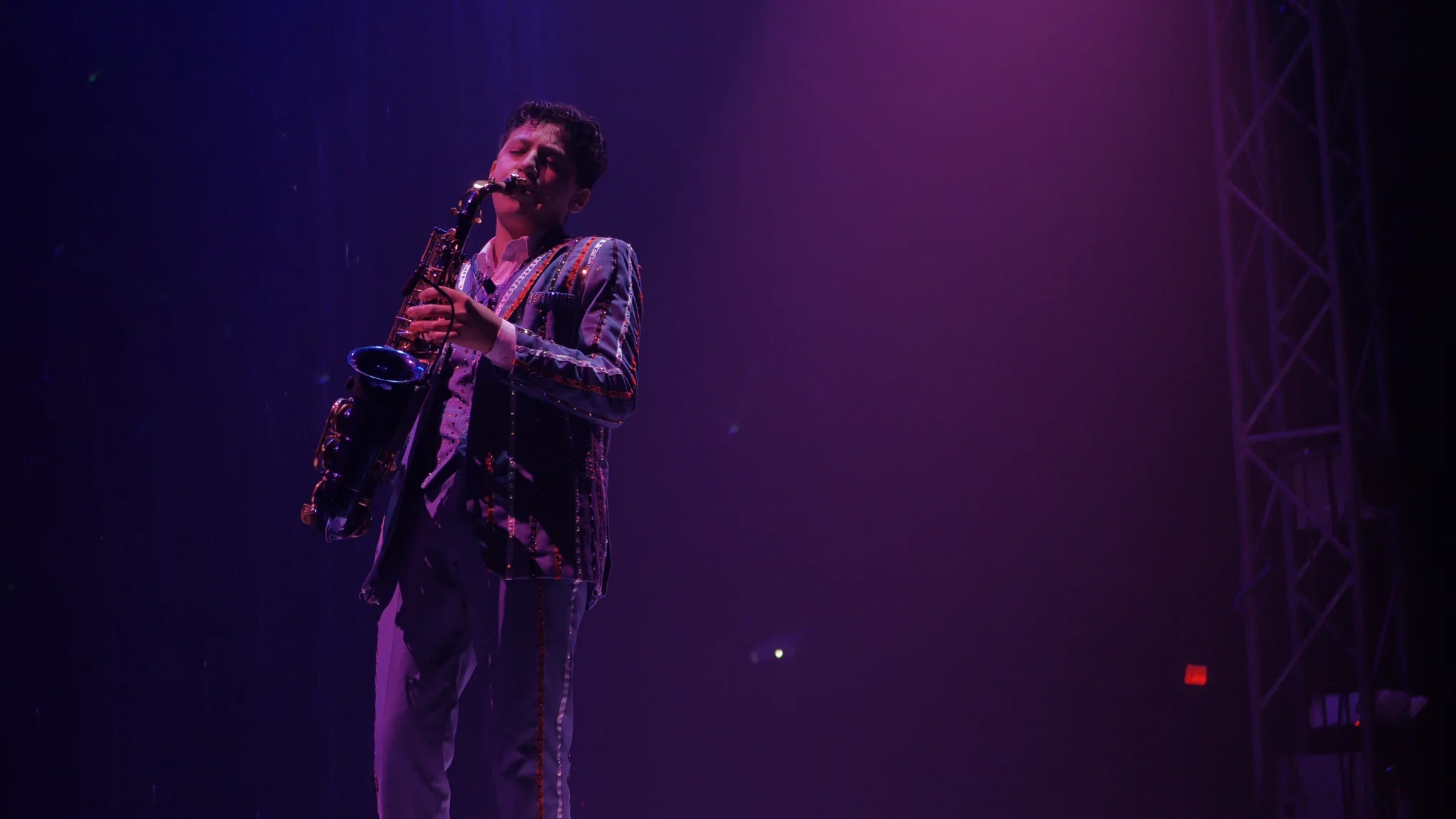
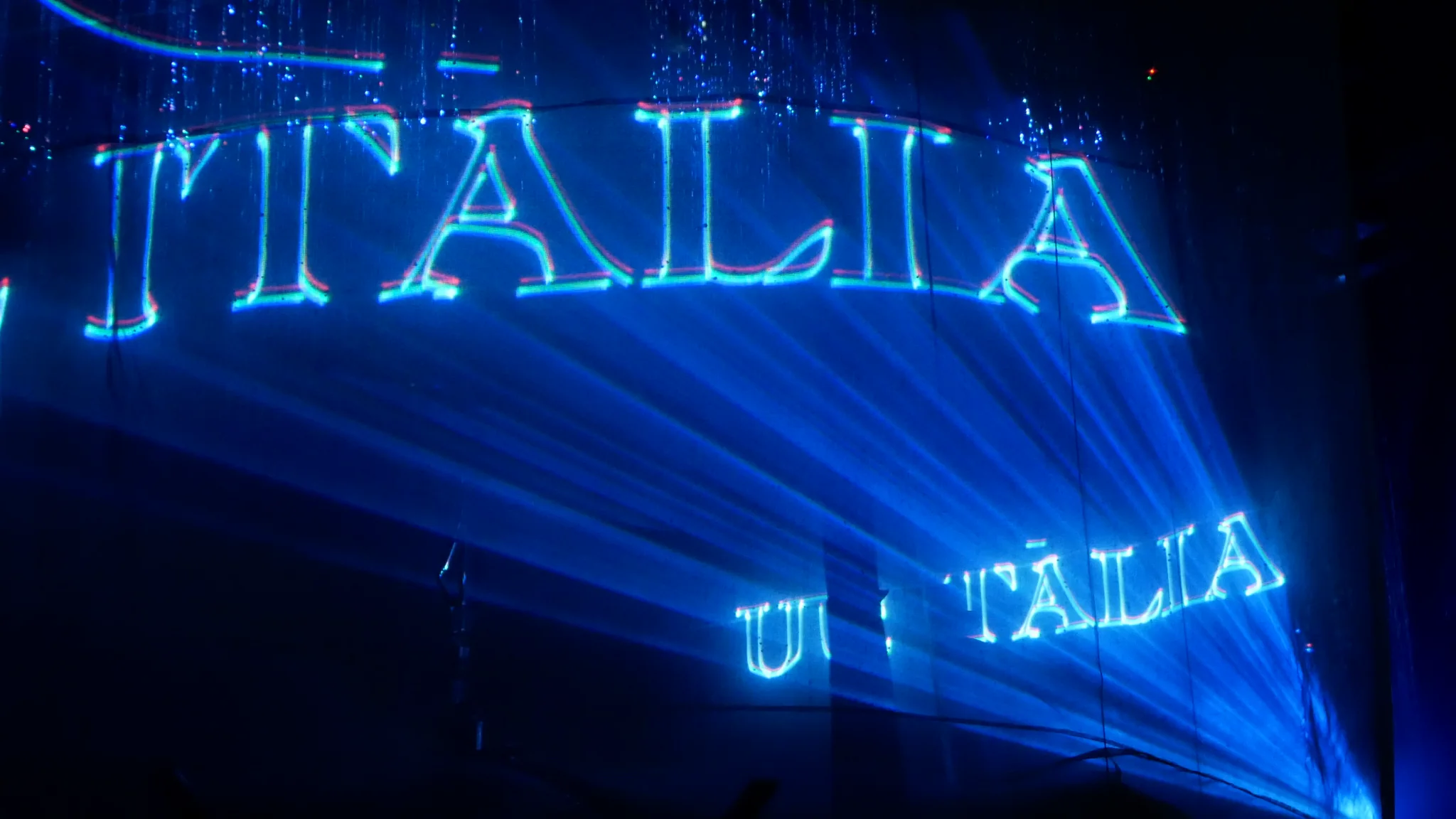
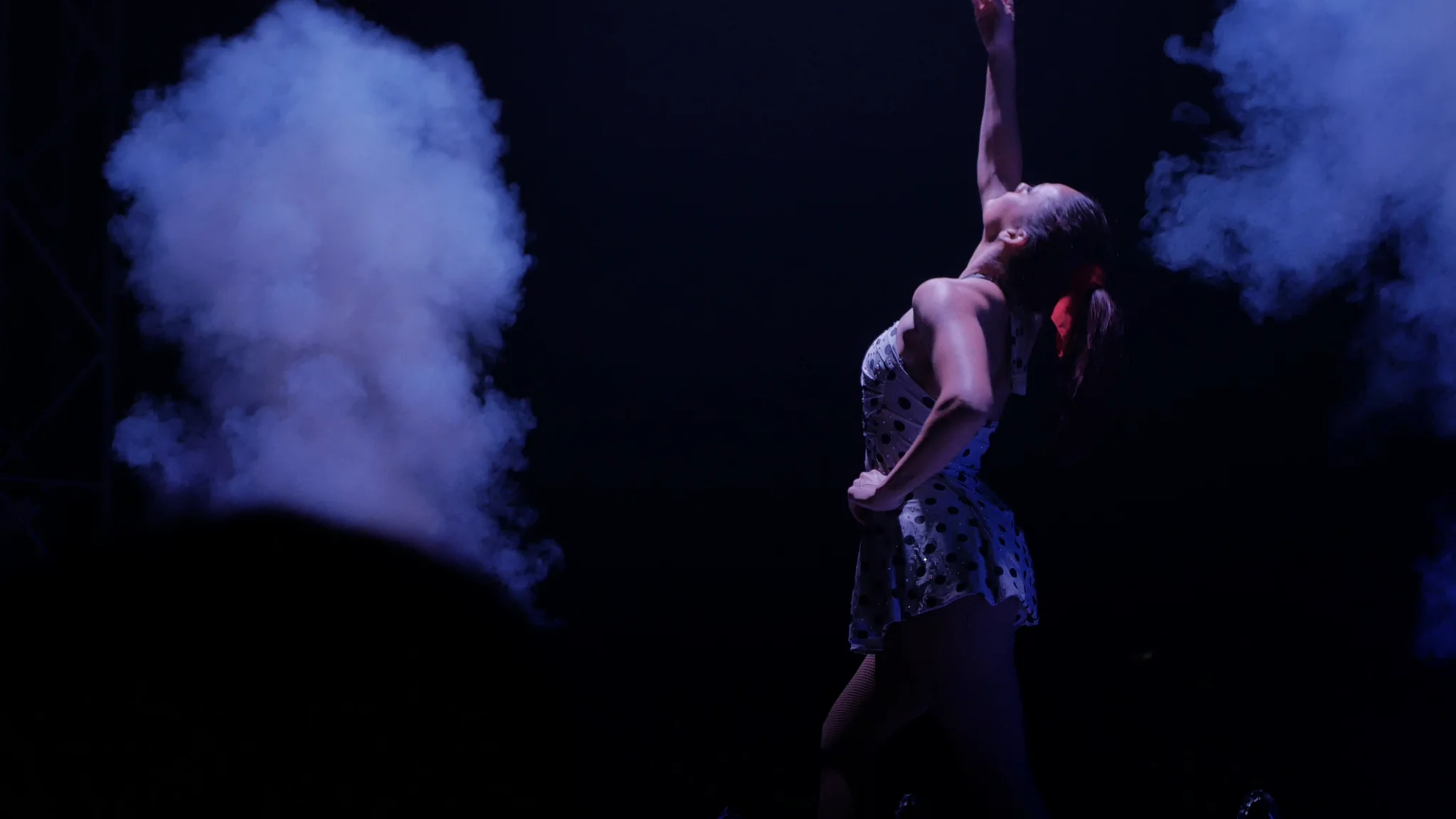
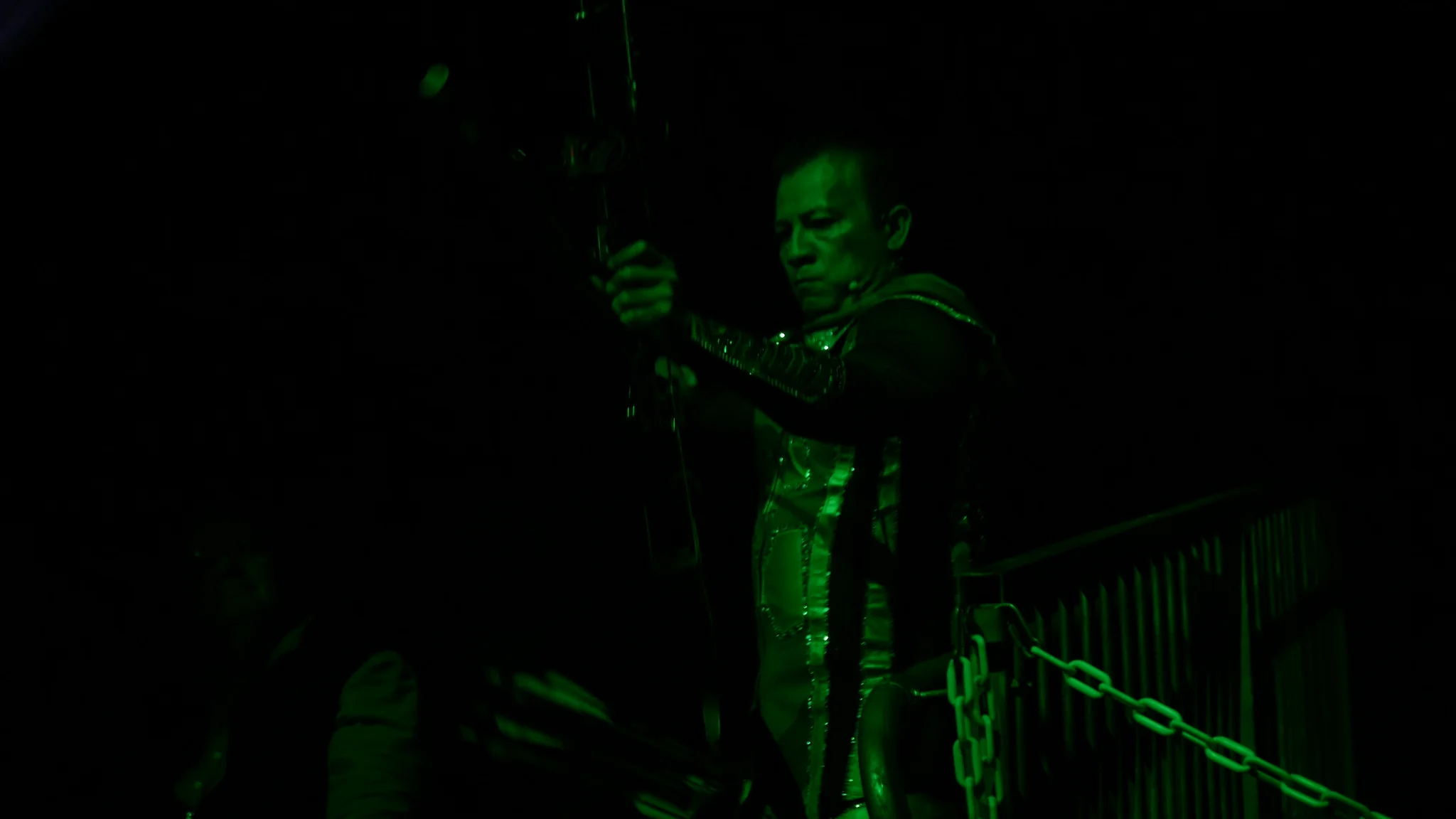
When the room fights the camera.
The technical problems arrived quickly. The show lighting was operating at frequencies suited to PAL rather than the NTSC shutter timing the crew expected. Alexander Acero’s interview suffered visible banding before the mismatch was understood. Audio clipped at times as a two-person team tried to cover camera and sound without lavaliers. With no opportunity to return, every mistake had to be carried into post-production.
There were no reshoots. Every decision had to hold.
03Post-Production
The footage was there. The story was not.
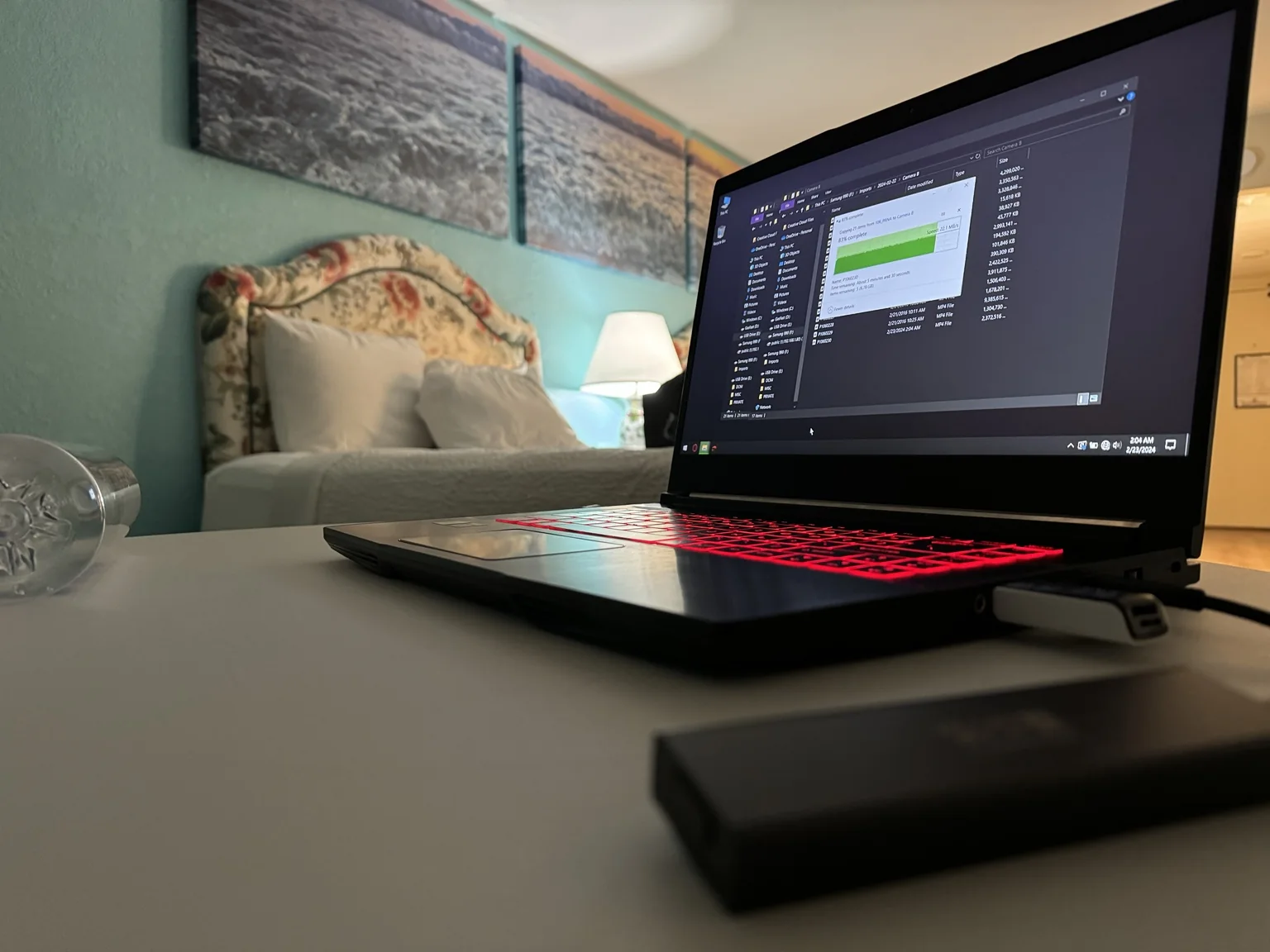
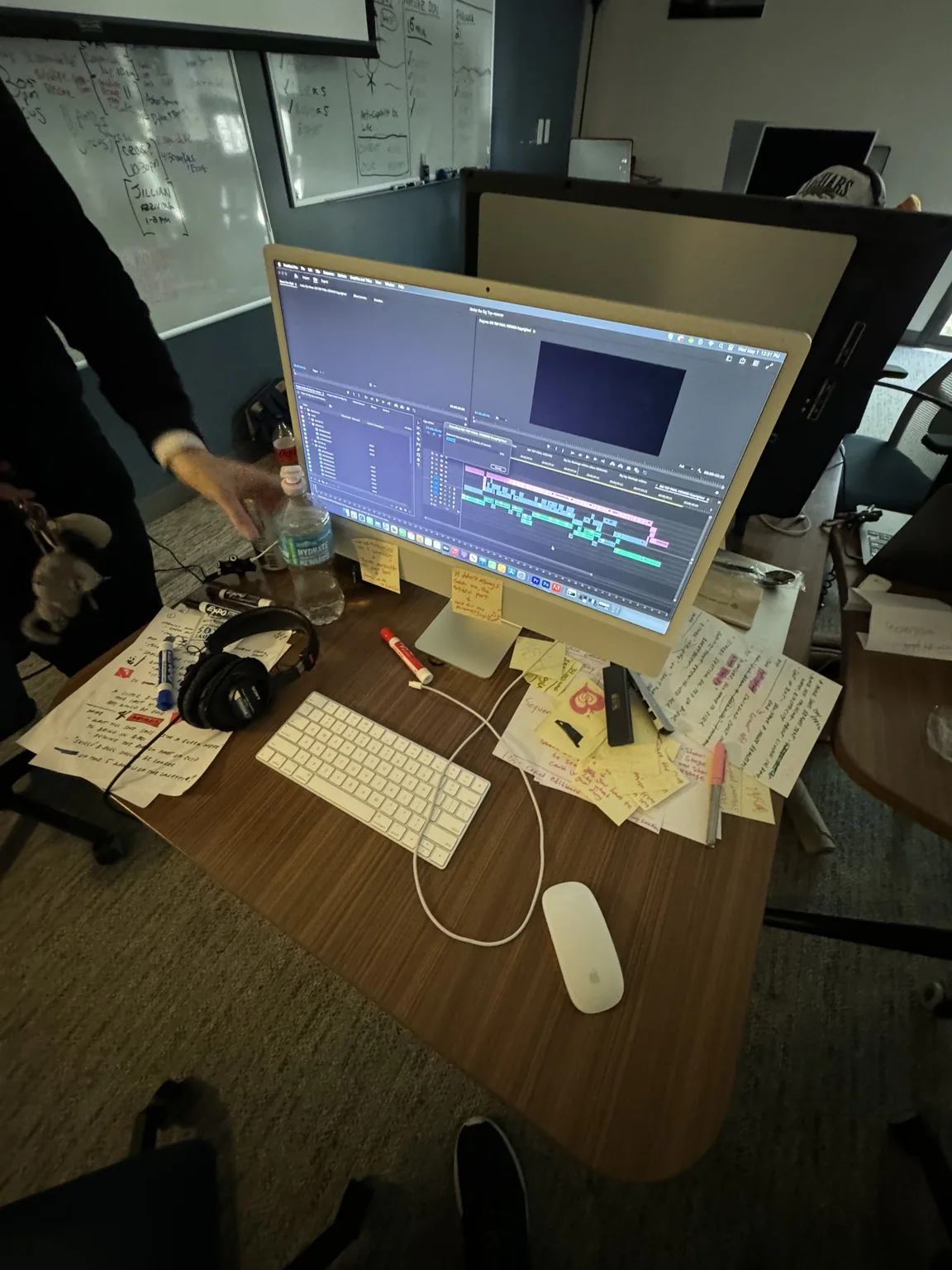
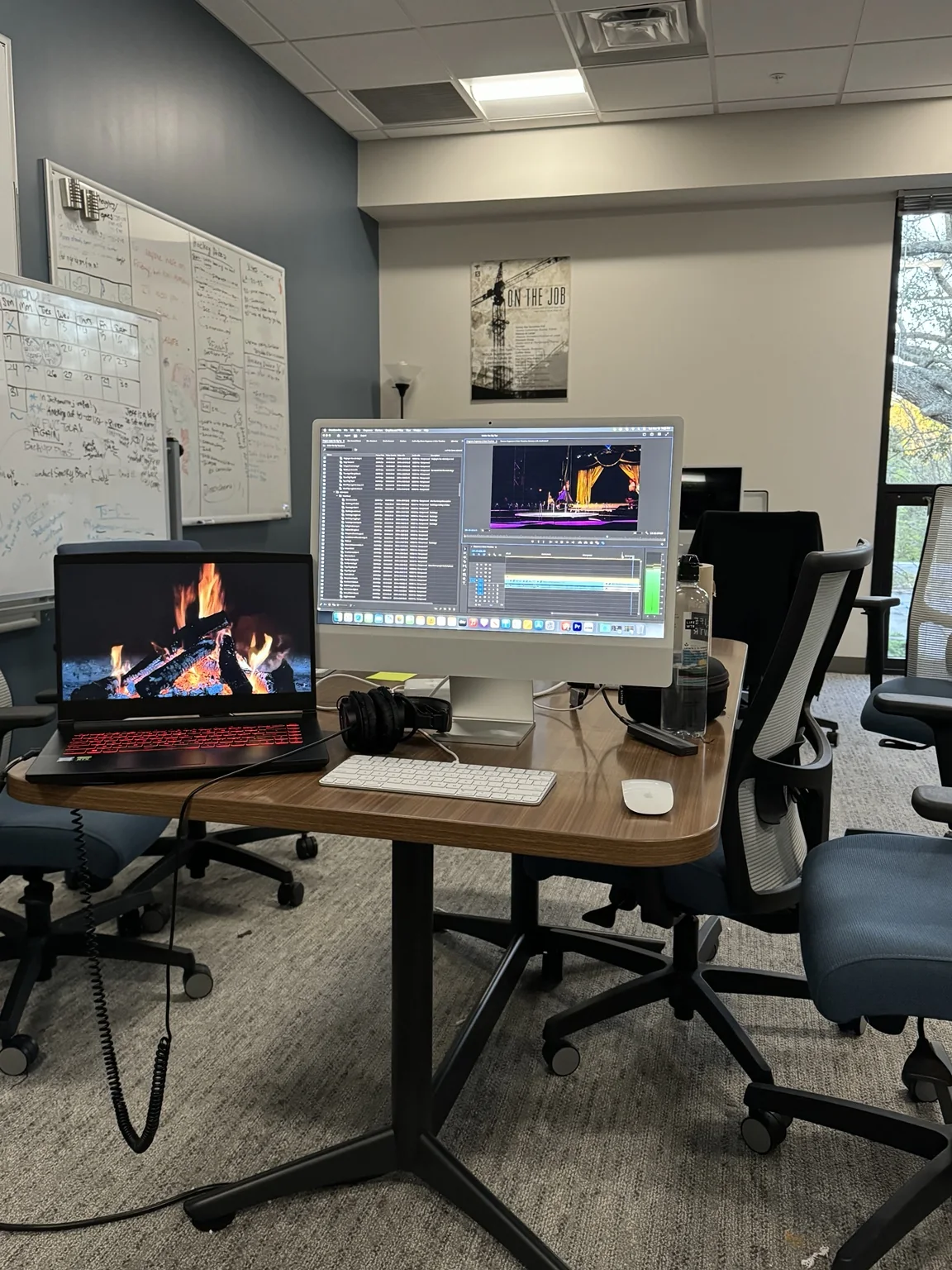
About three terabytes of material had been captured. The central problem was not a lack of images. It was that the story had not been defined clearly enough before production. The edit had to discover structure under deadline rather than refine a structure that already existed.
In the final stretch before the premiere, the film was rebuilt. Between April 28 and May 2, Alexander stayed awake for roughly 70 hours reworking the documentary because the story was still not functioning the way it needed to.
Plan the story before the timeline.
04Release & Screening
MOCA Jacksonville · May 1, 2024
SHOWCASE ARCHIVE · OFFICIAL POSTER
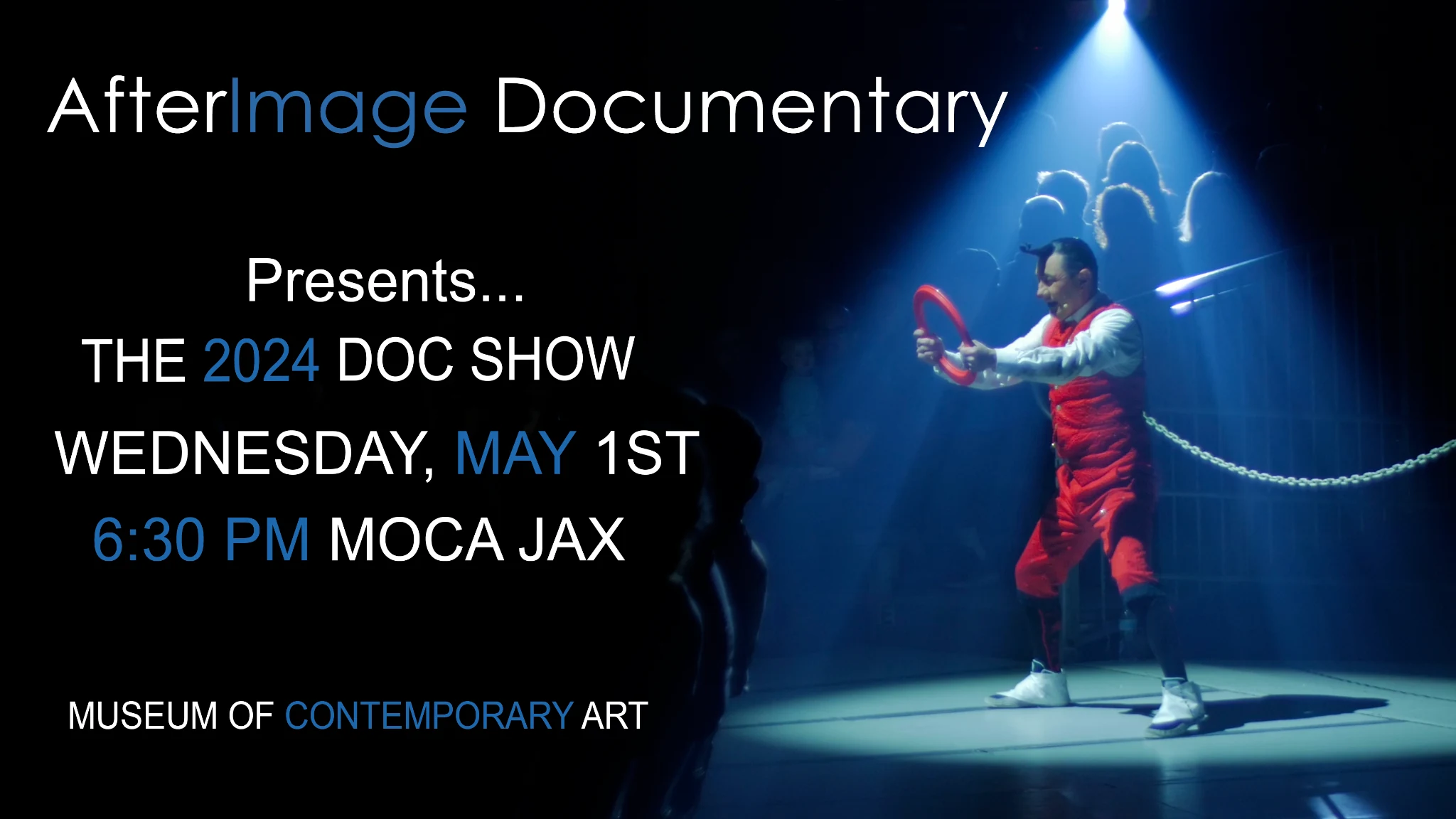
Under The Big Top premiered at MOCA Jacksonville on May 1, 2024. Cirque Italia was already traveling, so the performers featured in the documentary were unable to attend the screening.
The screening closed a difficult chapter and left behind a much clearer understanding of what nonfiction demands: preparation, structure, patience, and a story strong enough to survive the edit.
What remained
The first lesson was simple: plan the story.
The standard that later became Studio Portrait was not declared at once. It was built one film at a time.