Start a Project

The Portrait Philosophy

“A portrait is not simply an image. It is a record that someone, somewhere, mattered.”

A documentary portrait is shaped across the entire filmmaking process — in what we choose to notice, how we frame it, and how the finished film is preserved.

01Pre-Production

A Portrait Is Curated.

Documentary begins with attention — to the person, the place, the pauses, the room tone, and the details that would be easy to overlook.

We enter the work with a point of view, but not with every answer already decided. The film takes shape by observing what is actually there, allowing moments to become sequences and relationships to reveal their own rhythm.

Room tone

The natural background sound of a location recorded without dialogue, used to keep edits sounding continuous.

Sequence

A group of connected shots or moments that together form one part of the story.

02Production

The Frame Becomes the Portrait.

We think in terms of mise-en-scène — not simply what looks good within a frame, but what everything inside that frame tells us. The person, the environment, the practical light already present in a room, the distance between subjects, and the objects that quietly reveal where we are and who we are looking at.

Focal length, depth of field, composition, movement, and color are choices with consequences. A wider frame can give a person context. A shallower depth of field can isolate them. A practical light left in the scene can make a space feel inhabited rather than constructed.

The image should not simply be cinematic. It should tell us something.

Mise-en-scène

Everything placed within the frame — subject, setting, light, movement, and visual detail.

Practical light

A visible light source that belongs within the scene itself, such as a lamp, sign, or overhead fixture.

Focal length

The lens measurement that influences angle of view and how space and distance feel within the frame.

Depth of field

The range of distance that appears sharp, determining how much of the foreground and background remains in focus.

03Post-Production

A Portrait Is Finished.

We are less interested in what will feel current for a season than in what will still feel honest years from now.

That extends into the final stages of the film. Pacing, sound, color grade, and the final image should feel considered rather than fashionable — choices made for the story rather than for whatever happens to be visually popular at the time.

The goal is permanence: to preserve a person, a place, or a moment with enough care that returning to the film still means something.

Color grade

The final shaping of color, contrast, and tonal balance to create a consistent visual character.

The Studio Principle

Our role is not to manufacture a narrative, but to uncover the one that already exists.

We do not make content for the moment. We make portraits that endure.

Documentary work deserves the same care, permanence, and cinematic intention we give narrative film.

About Studio Portrait

Documentary was the beginning. Permanence became the purpose.

Studio Portrait is a documentary-first production company built around real people, real moments, and stories worth preserving.

The studio approaches nonfiction with patience, observation, and cinematic intention. The work is shaped around what is already there rather than forcing a message onto the people inside it.

Based in Jacksonville and serving Northeast Florida, Studio Portrait creates branded and original documentaries, provides select post-production and finishing, and is growing into wedding and narrative filmmaking.

Why Portrait?

A portrait is shaped, not invented.

A portrait does more than show what someone looked like. It preserves who they were in a particular moment.

Studio Portrait approaches film the same way. A person, a place, or a relationship is observed closely enough that something real remains after the moment itself has passed.

The story is shaped, just not invented. The goal is not simply to document what happened, but to preserve what it felt like to be there.

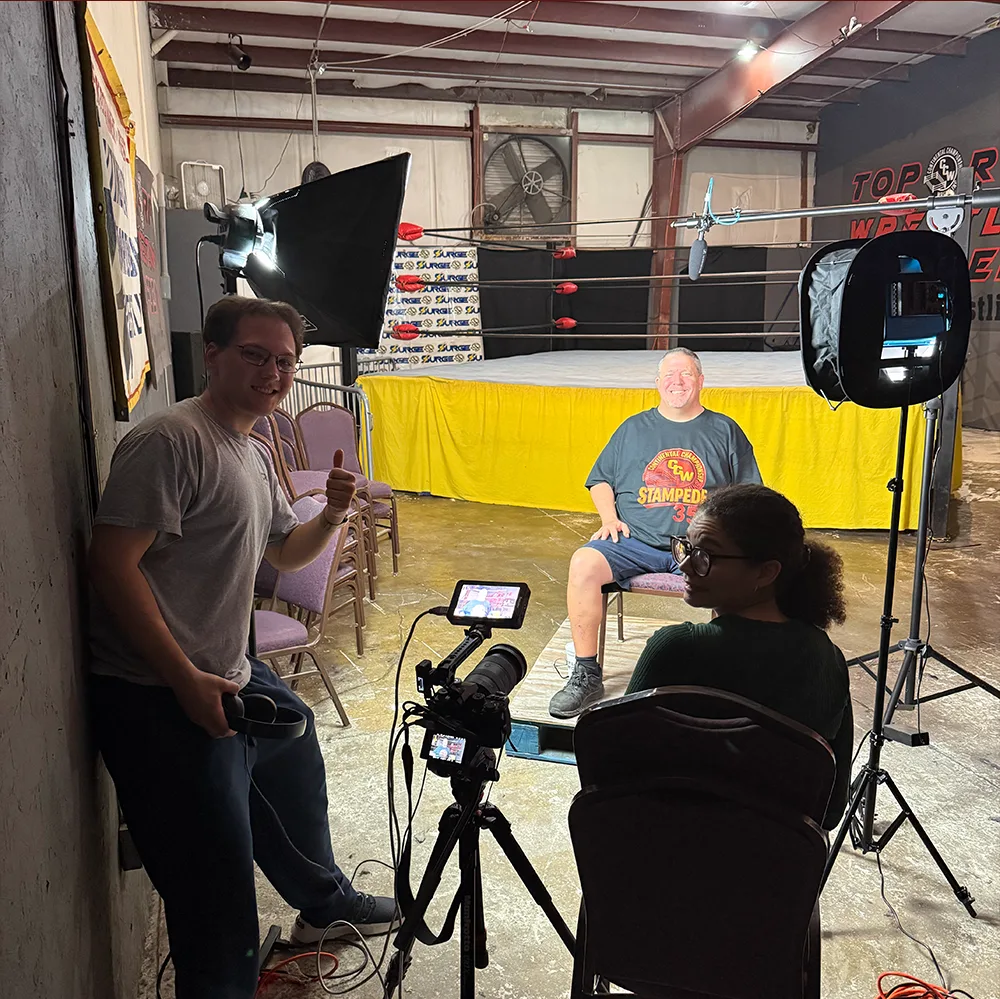
Alexander Schleich on set during production of A Violent Soap Opera

Behind the Portrait

Alexander Schleich

Founder & Creative Director

Studio Portrait grew from Alexander’s belief that nonfiction deserves the same care, authorship, and permanence we give narrative film. Documentary taught him to begin by observing — allowing people, places, and moments to reveal the story before deciding what the film should say.

As Founder & Creative Director, he remains closely involved in the shape of each Studio Portrait film, from the earliest questions around story through the final image.

“I want documentaries to receive the same love, care, and permanence we give narrative films.”Alexander Schleich
Read the studio history →

Shaping the Portrait

Joselien Vasallo

COO & Creative Director

In Her Words

When Alexander and I worked on our first documentary together, This Guy Called Toby in 2025, we connected pretty quickly on a lot of things — filming, editing, and especially what we wanted the audience to experience.

I jumped onto the project mostly out of peer excitement and curiosity. Going out to Bardin, Florida meant getting the chance to step into a completely different way of life and experience Toby’s world for ourselves. At the beginning, Alexander was also a mentor to me. I was mainly focused on the creative side of filming while he taught and guided me through some of my first steps with the technical side of filmmaking and editing.

From there, I tried to do everything I could to help execute each project the way we imagined it. Whenever we had a creative idea that either of us started doubting, my stubborn side usually refused to accept that it was impossible. I would rather keep working at it, change the approach, or find another way to make the idea happen.

That mindset carries into the details too. Whether something is visual or audio, I try to notice the smallest things because those details can completely change what the audience feels. For me, it is not enough for an idea to simply sound good — I want to figure out how we can actually make it work and still deliver the experience we intended.

By the time we began our second documentary project together, the collaboration had grown beyond me simply learning alongside Alexander. We were shaping the work together, and soon after the project began, I took on the role of COO & Creative Director of Studio Portrait.

“You can’t say it’s not gonna work out if you didn’t even try to make it work, right? So, what if we did this instead…”Joselien Vasallo
Read where the partnership began →

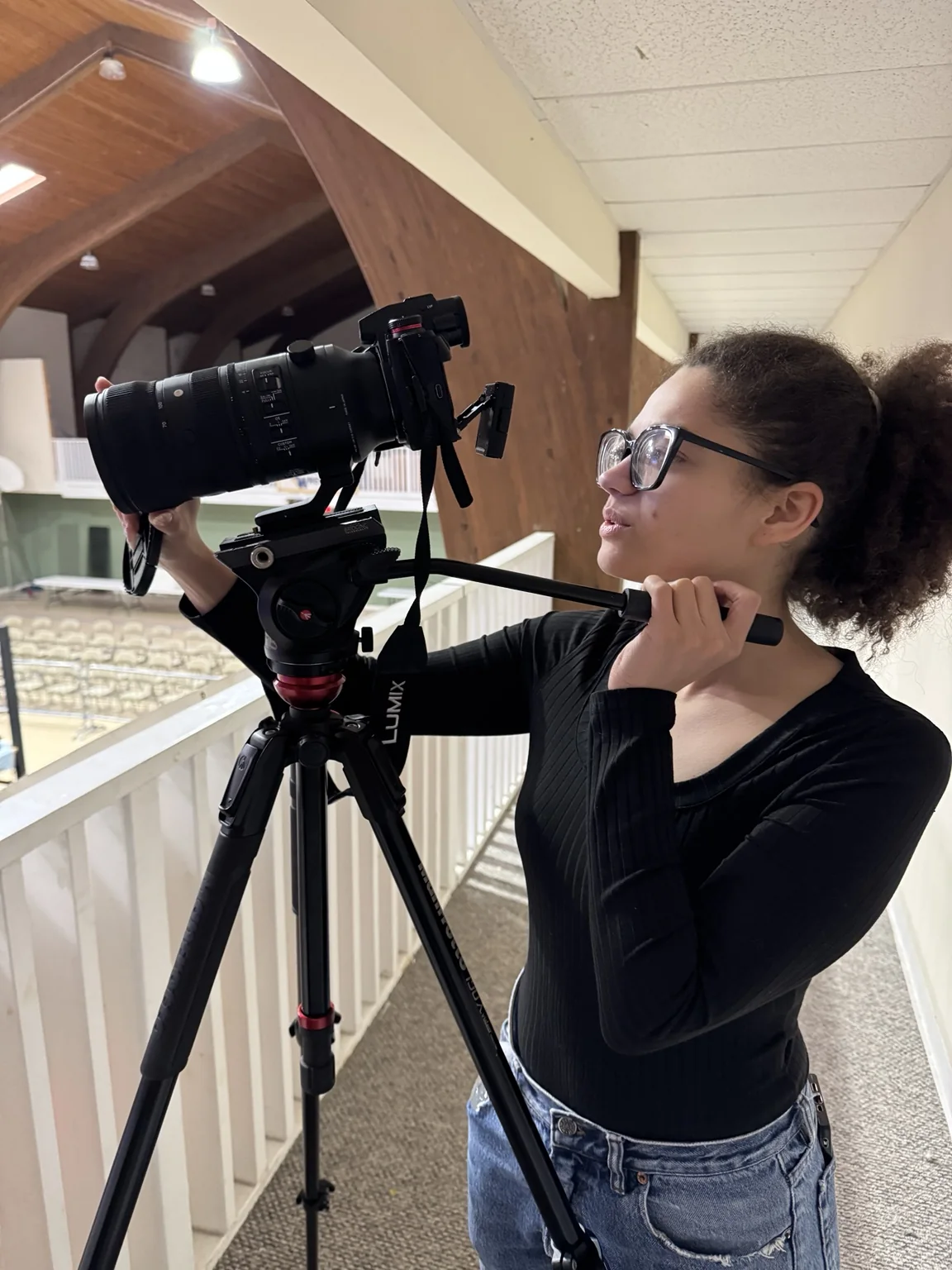
Joselien Vasallo operating a camera during documentary production

From the Work That Shaped Studio Portrait

The standard was not declared. It was built.

2024

Under The Big Top

Under The Big Top became an early lesson in how much documentary depends on planning, access, and trust. It also pushed Alexander toward a more deliberate visual language and a stronger understanding of how nonfiction can feel cinematic without losing its honesty.

Read the journal →
2025

This Guy Called Toby

This Guy Called Toby deepened that approach. The production was more organized, the story more intimate, and the audience response more personal. It became a turning point — not because the film felt finished, but because it revealed how much more could still be refined.

Read the journal →
Formation

Studio Portrait

Studio Portrait was formed around the belief that documentary work deserved greater care, permanence, and authorship. The goal was not to create more content, but to build a studio around films worth preserving.

2026

Portrait No. 001

A Violent Soap Opera

A Violent Soap Opera became the first true Studio Portrait film. It brought together the lessons of the earlier work — story, access, cinematography, sound, editing, and color — under a single studio philosophy.

Read the journal →

Where the Studio Goes Next

The category defines the work. The story defines how it is told.

Documentary remains the foundation of Studio Portrait. It is where we learned to observe, to listen, and to let real moments carry their own weight.

As the work expands into wedding and narrative filmmaking, that discipline remains. The form may change. The quality does not.

Explore the disciplines →

Every film begins with something worth keeping.

Let’s Make You Timeless.

Tell us what you want to preserve.

Start a Project →