
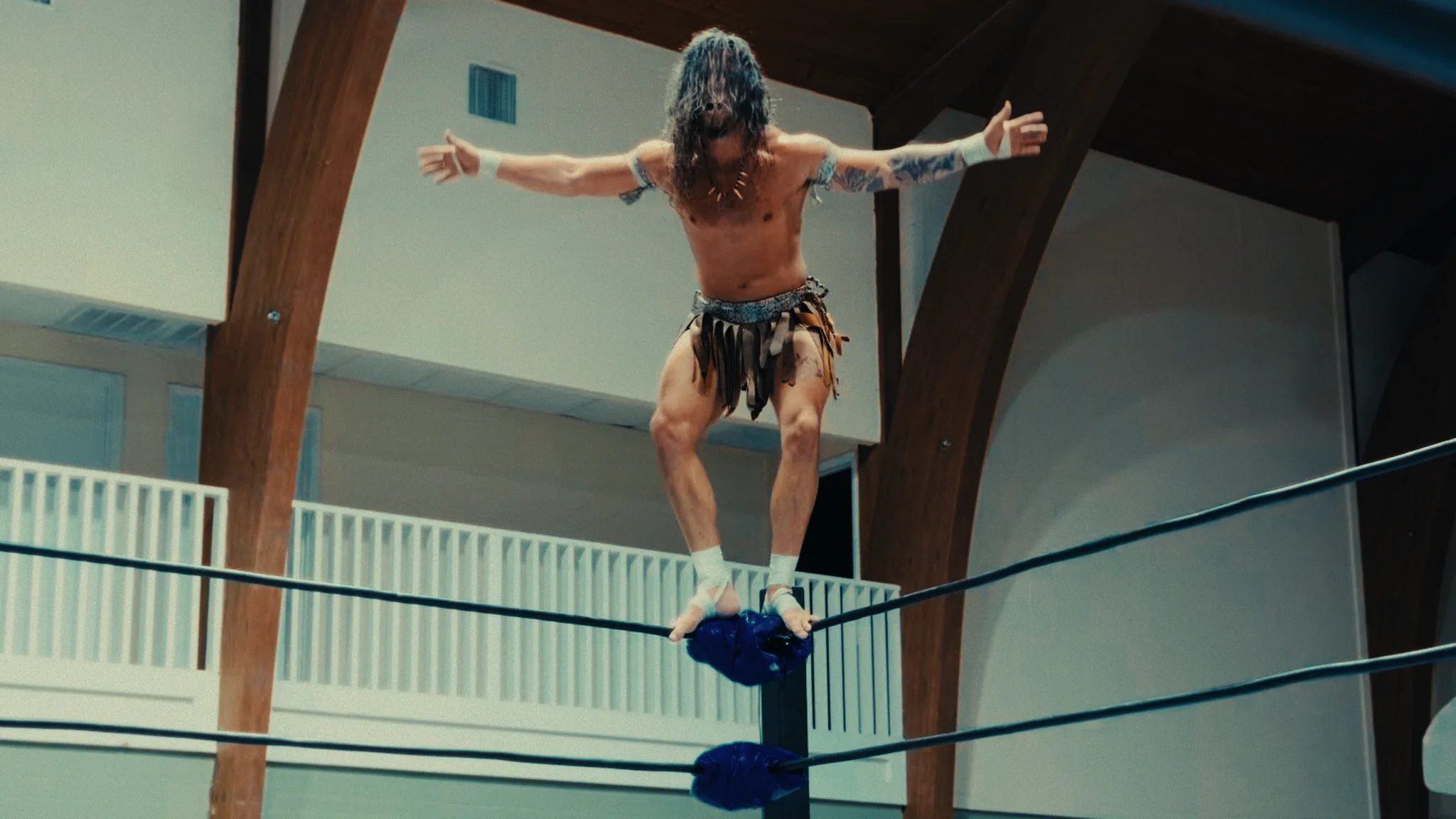
CCW, an indie-wrestling organization in Jacksonville, Florida, shows what it takes to be heavyweight champion.
The first official documentary portrait produced under Studio Portrait.
01Pre-Production
One more film.
Alexander Schleich thought This Guy Called Toby was the redemption. After the difficulties of Under The Big Top, Toby proved that planning, sound, and collaboration could fundamentally change the filmmaking process. He believed that chapter was finished.
Then Dr. Jillian Smith, his former executive producer at AfterImage Documentary, asked whether he wanted to make one more documentary for the MOCA Jacksonville showcase. By then, Studio Portrait already existed. Within a day of the offer, Alexander called Joselien Vasallo. They spent roughly two weeks searching for the right subject.
A blurry sign in an old photograph.
The lead eventually came from an old photograph buried in a phone: a blurry sign advertising professional wrestling. Beneath it was one useful detail — ccwrestling.biz.
An email to CCW produced a phone number Alexander believed belonged to owner Chris Turner. For three days he texted a man who grew increasingly irritated about being asked to discuss wrestling. Another email revealed the mistake: it was Chris Turner’s old number. He had changed it only about a week earlier.
The meeting that decided the film.
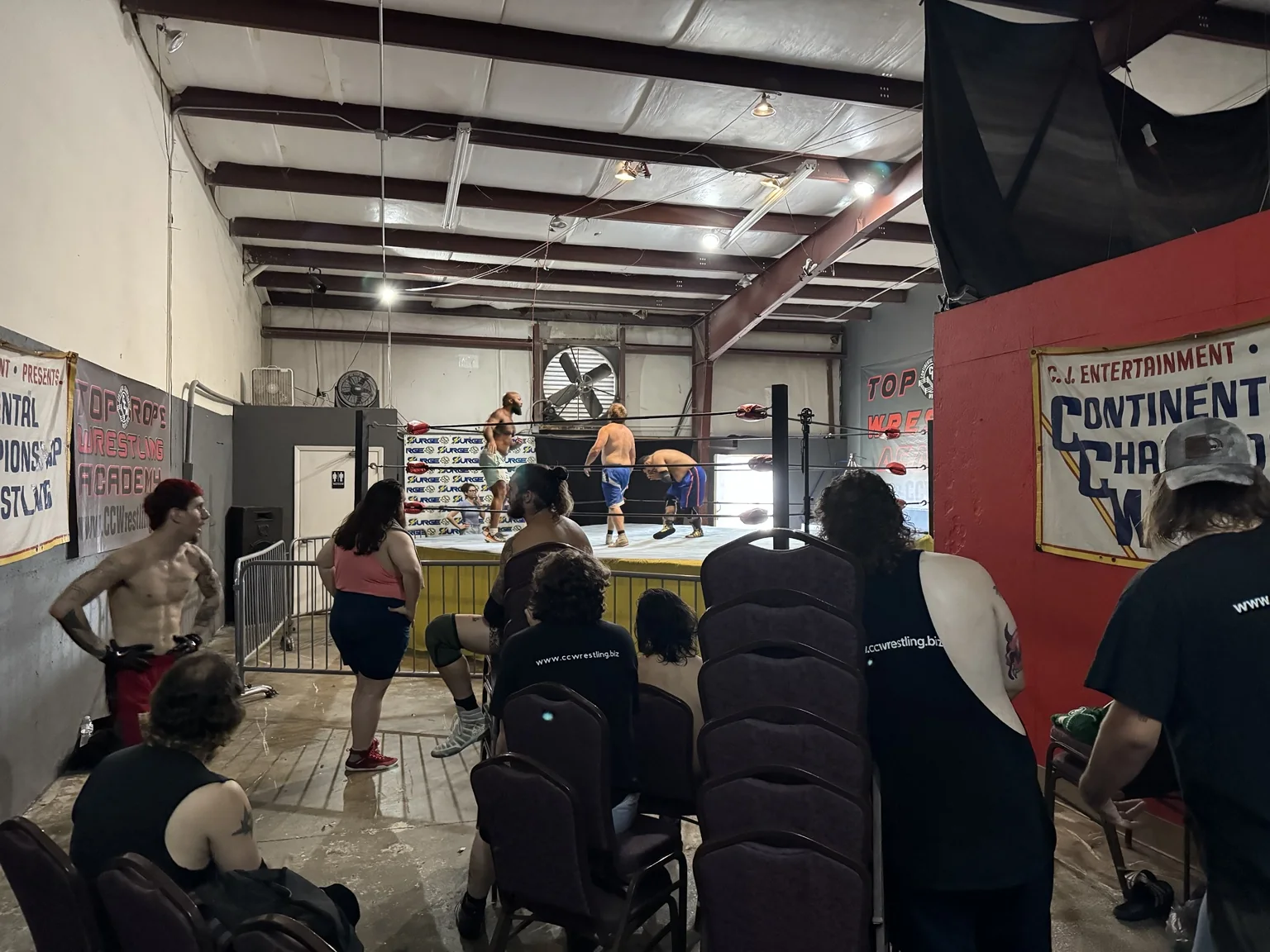
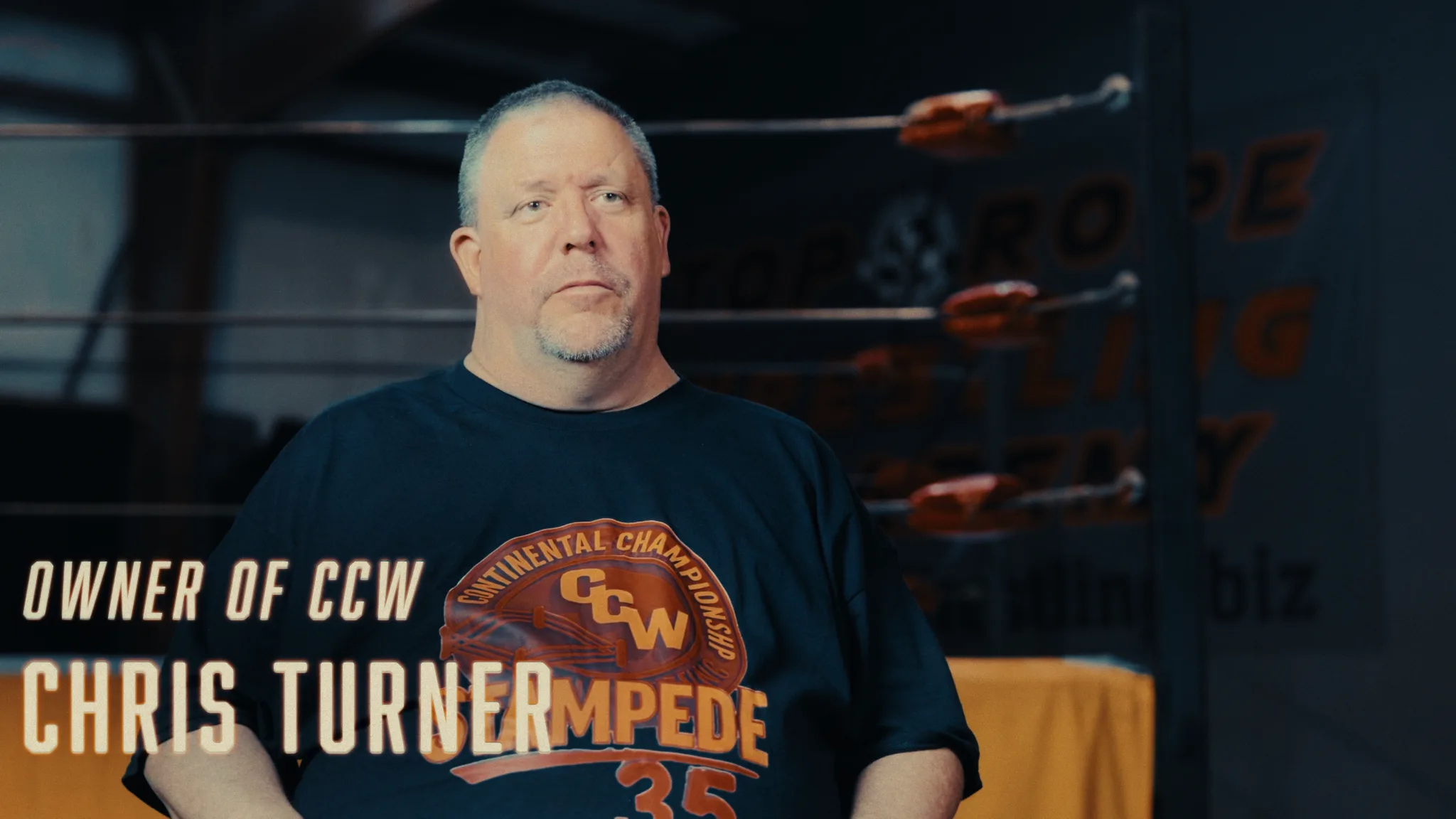
Chris invited the team into Top Rope Wrestling Academy and asked the question every documentary subject has the right to ask: Why would this benefit me?
Alexander answered with an analogy about care and memory. If someone you love enters a nursing home, you are unlikely to remember the institution through statistics. You remember the person providing the care — the gestures, the voice, and how they treated someone who mattered to you.
That was what Studio Portrait wanted to do with CCW. Not manufacture a commercial around attendance numbers. Make a portrait of the people whose work gives the organization meaning.
Our role is not to manufacture a narrative, but to uncover the one that already exists.
Performance with consequence.
Professional wrestling felt newly alive to the filmmakers in 2026. The theatricality, athleticism, characters, and live audience made it a natural documentary subject. The outcomes may belong to a constructed world, but the bodies, ambition, training, sacrifice, and people behind them do not.
02Production
Make them feel larger than the room.
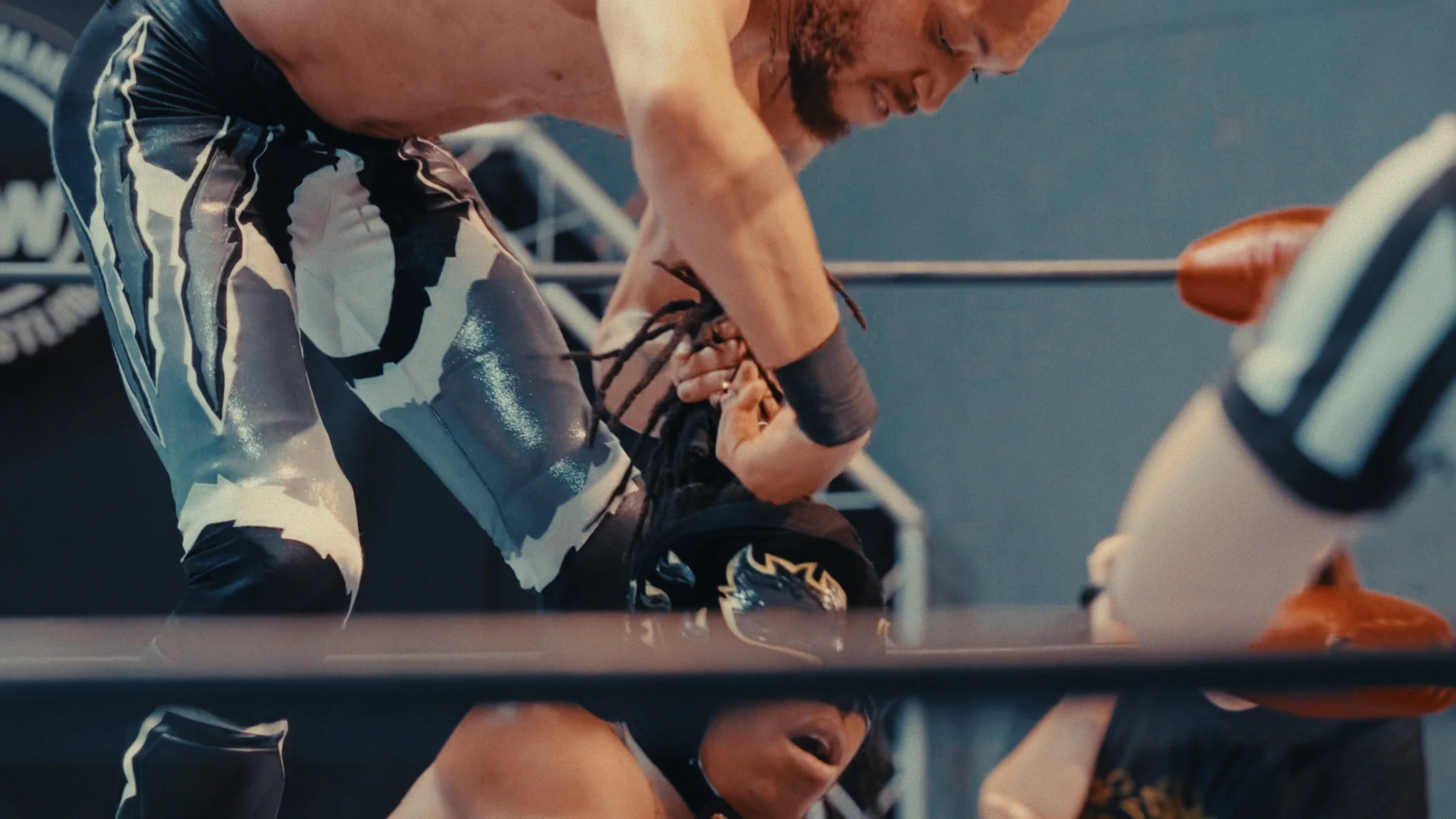
The visual language was built around power: lower camera positions, multiple focal ranges, tighter framing, movement, and moments of deliberate visual force. Rocky was part of the conversation, and the team studied WWE matches to understand how anticipation, impact, and scale could be communicated without simply copying broadcast wrestling coverage.
It was also Alexander’s first documentary seriously relying on autofocus. Following wrestlers moving unpredictably through a ring made manual focus impractical at times. Around f/3.5 offered enough separation to give subjects weight while preserving enough depth to follow fast movement. At times, Alexander stayed at 105mm and tracked the action rather than immediately widening out.
Every frame needed to carry force.
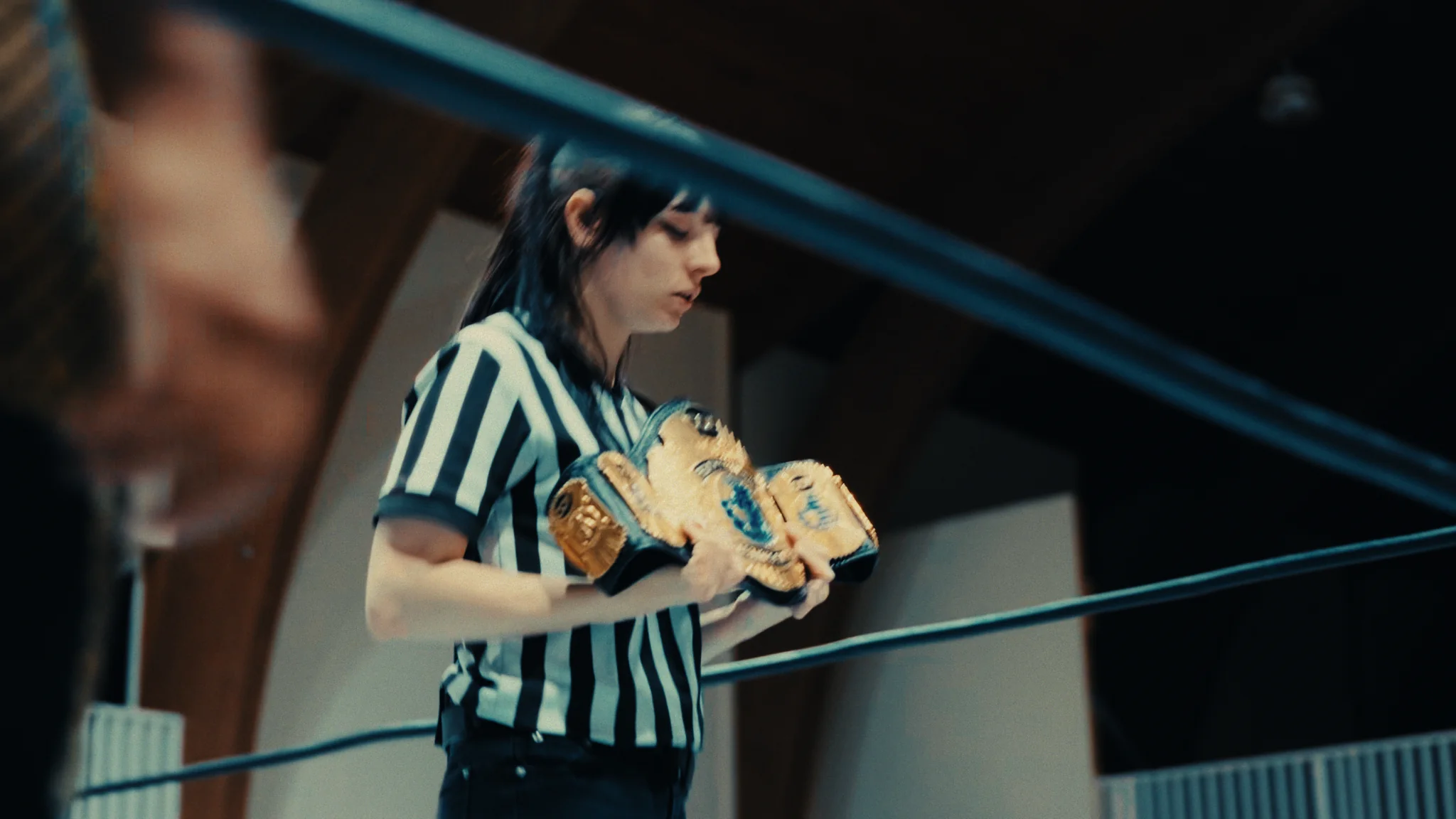
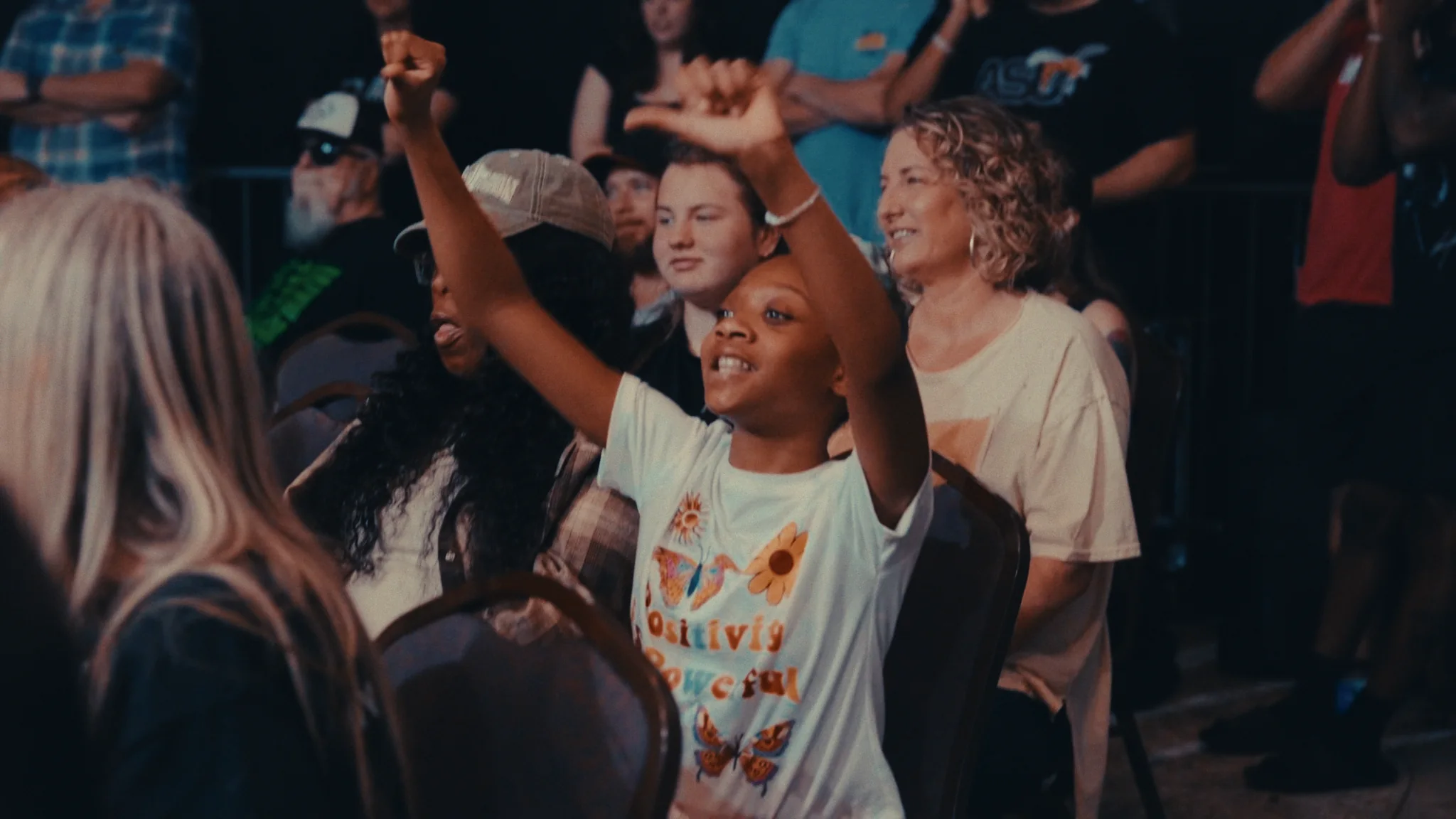
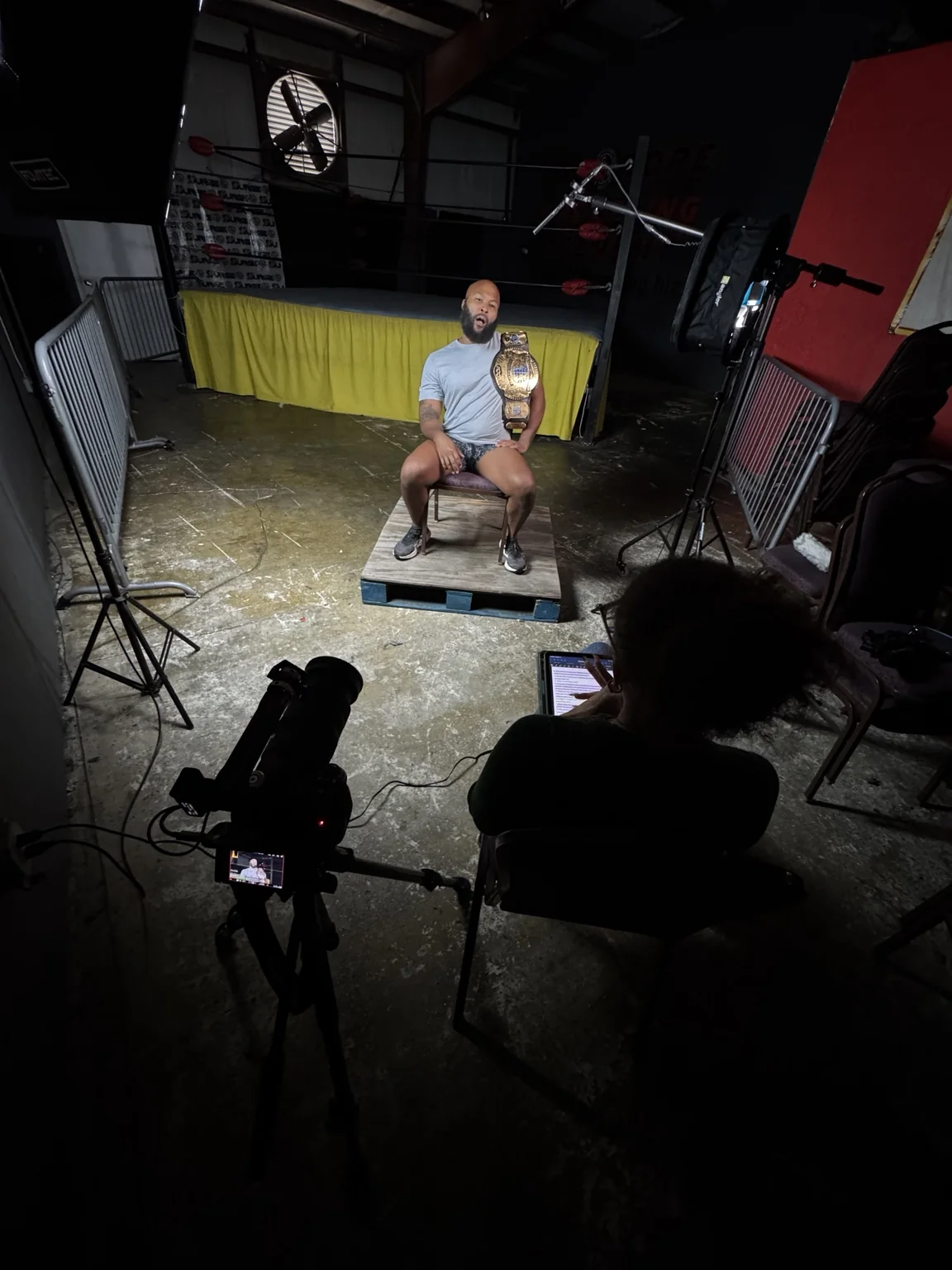
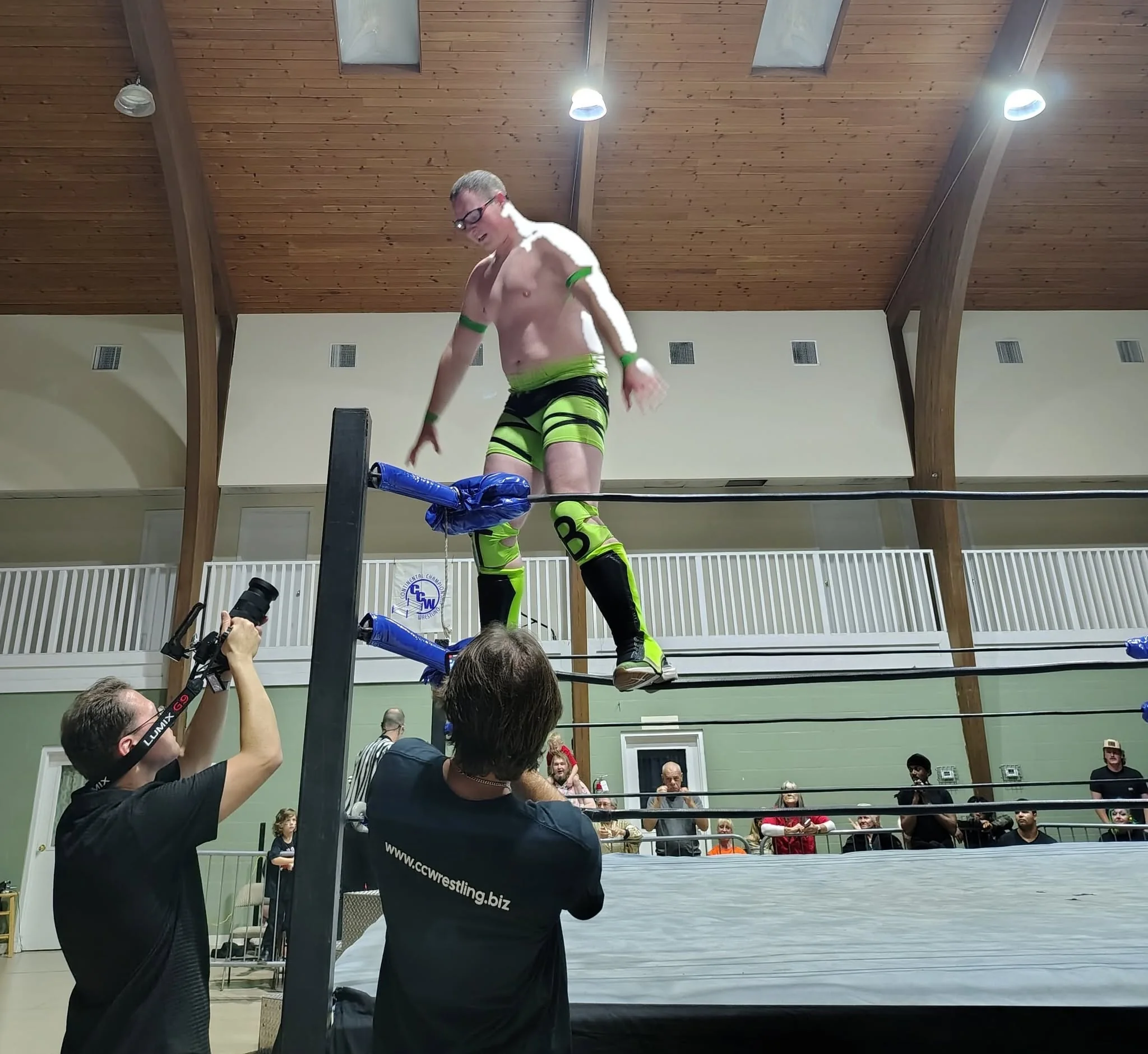
Finding the film we were actually making.
The original story did not survive production. A family emergency complicated the beginning. One suggested direction required roughly six weeks following new trainees — more time than the schedule could support. Another idea centered on Bryce Maddox moving between professional and independent wrestling, but that story also fell through.
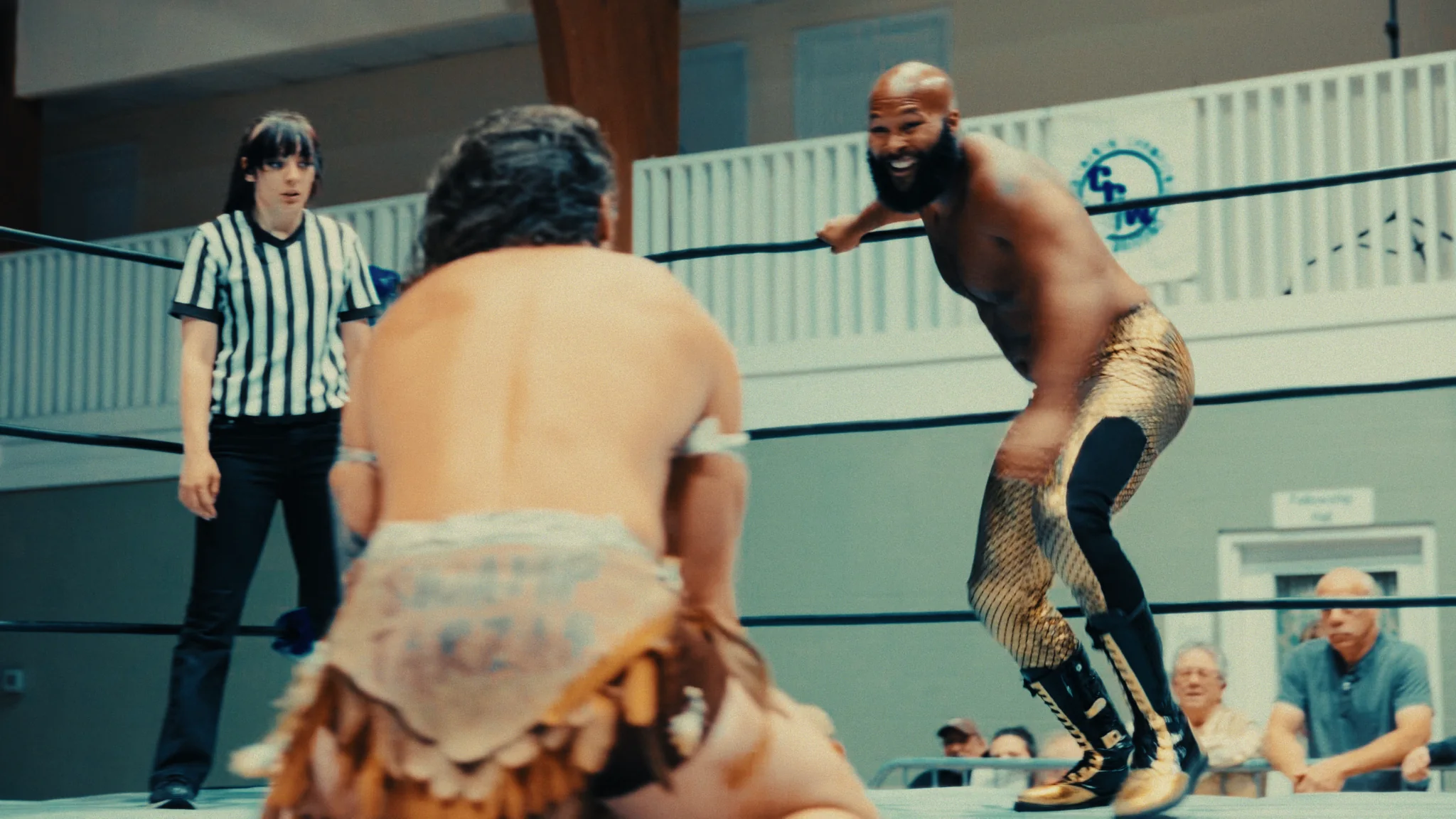
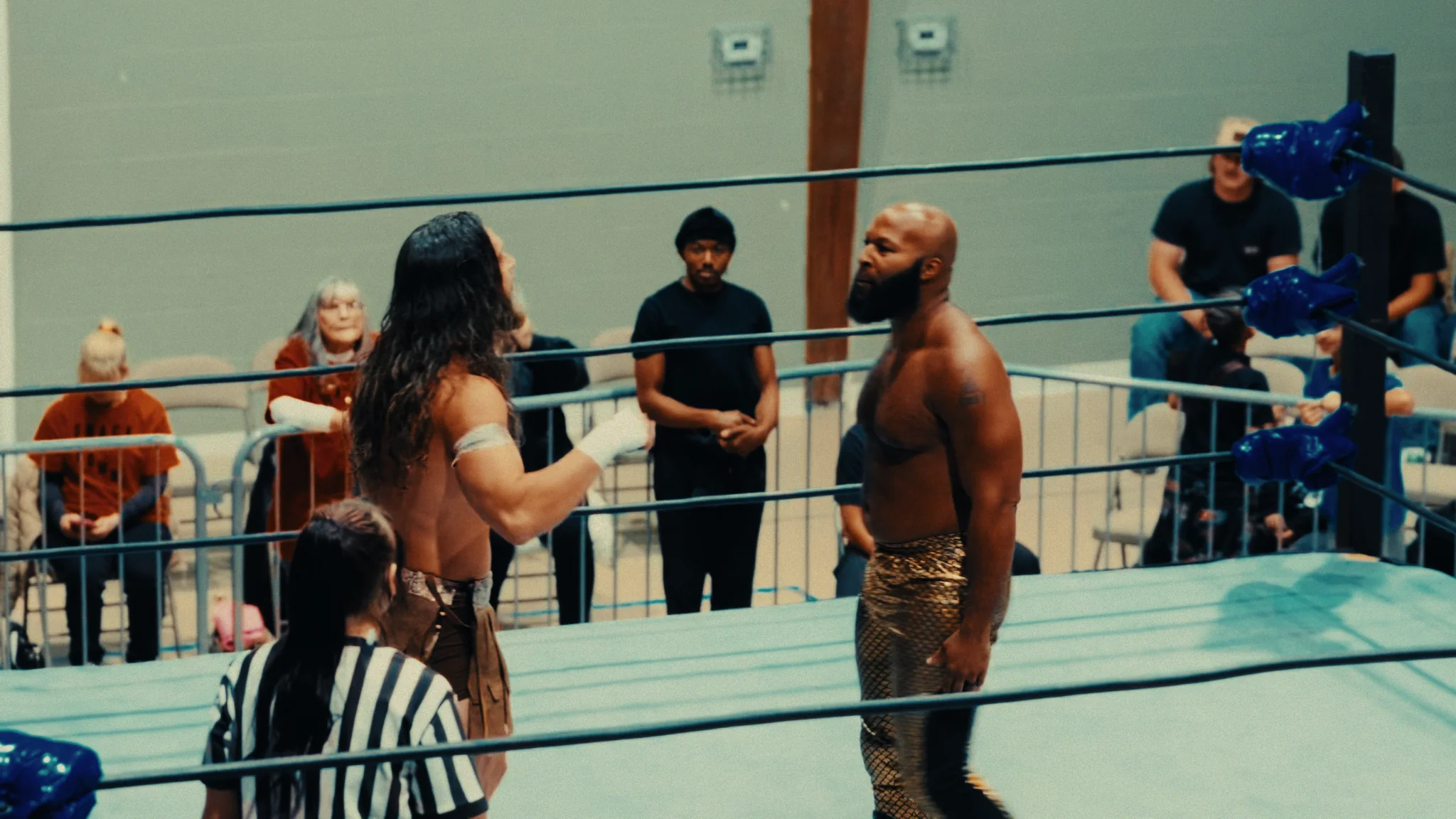
What emerged was simpler and stronger: CCW Heavyweight Champion Odin Davenport and challenger Swamp Tarzan moving toward a title match. Once that rivalry revealed itself, the rest of the film could begin orbiting around it.
The original story did not survive production. That was not a failure. It was documentary.
Production took place February 21, March 14, March 15, and March 28, 2026. Roughly three terabytes of footage were captured. Throughout the shoot, Alexander kept telling the team, “I’m smelling a fifteen-minute documentary.” The final film landed at roughly fourteen minutes.
Fresh eyes behind the camera.
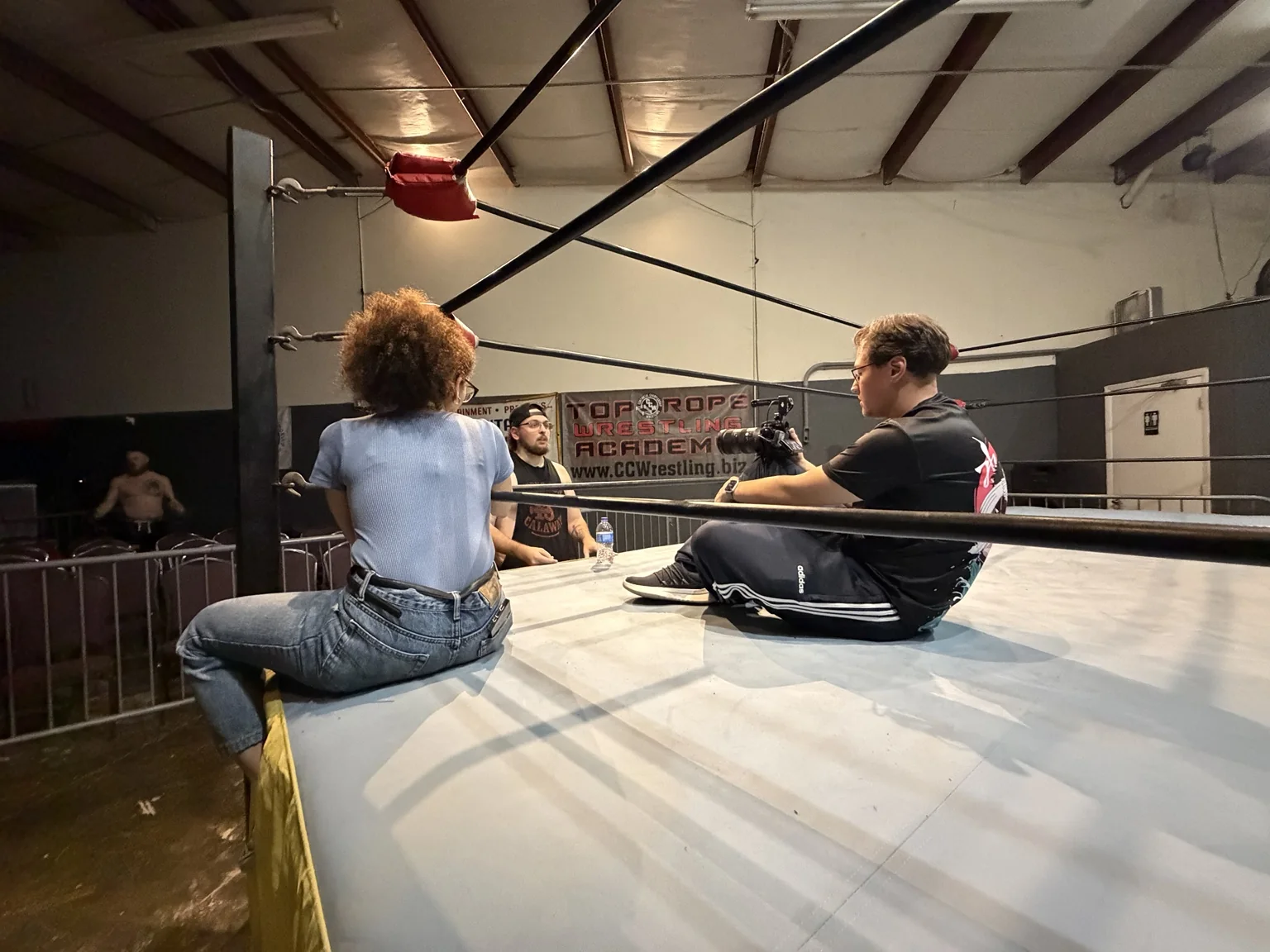
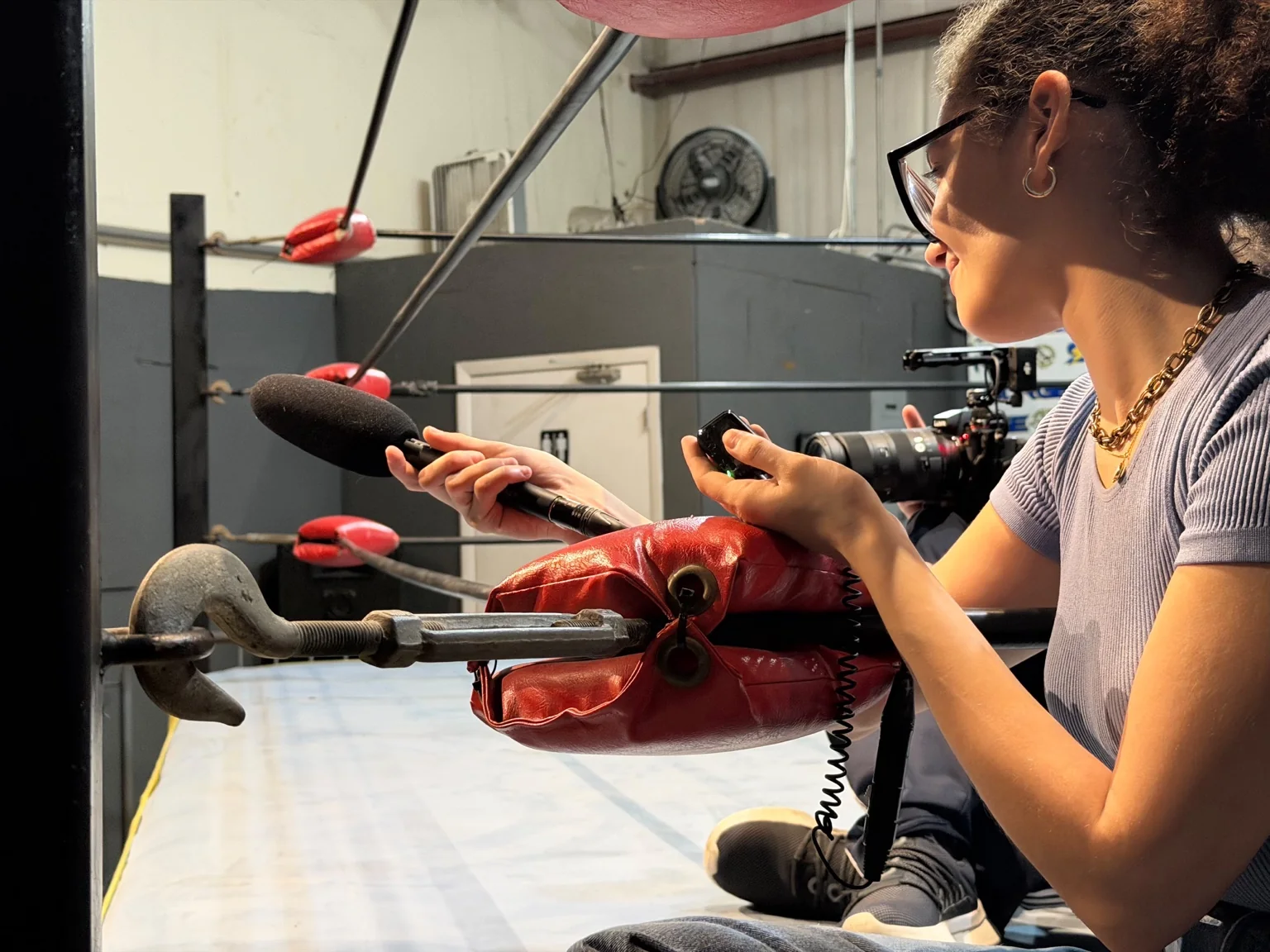
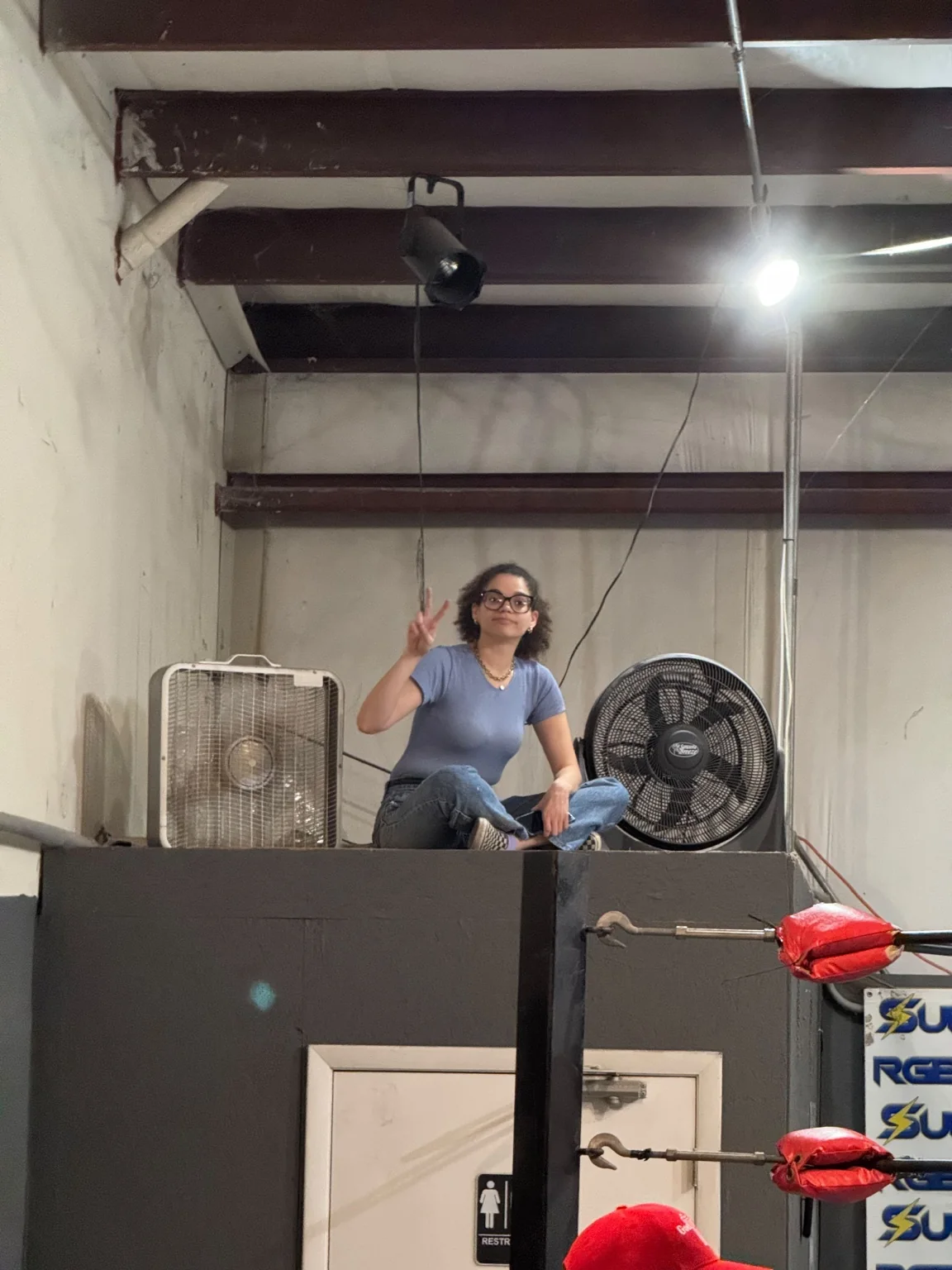
Joselien led interview planning and brought Dr. Jillian Smith into the process to develop a broad bank of questions. Camera operators Mourgan Watson, Lana Noreen, and Joselien Vasallo also photographed significant portions of the film.
For the first time, much of the footage Alexander encountered in the edit had been photographed by other camera operators. That gave him something valuable: fresh eyes. He could react to the material without remembering how every shot had been captured.
03Post-Production
Ahead of schedule.
Joselien again organized the production through Notion, and the edit came together roughly a month ahead of schedule. Two years earlier, Alexander had been rebuilding a documentary days before its premiere. This time, the team had more than a month to refine what was already working.
The Odin–Tarzan title match became the spine, but the film was not allowed to exist only as a countdown to a wrestling match. A secondary story was filmed and built through the edit so the world around the championship had room to breathe before the final confrontation.
Sound treated as its own craft.
Professional audio engineer Miriam worked through the dialogue individually, refining EQ and tonal balance so the voices carried greater warmth and consistency. Jacksonville band Last Resort also contributed the song Truth and Lies, giving the film another piece of the city it came from.
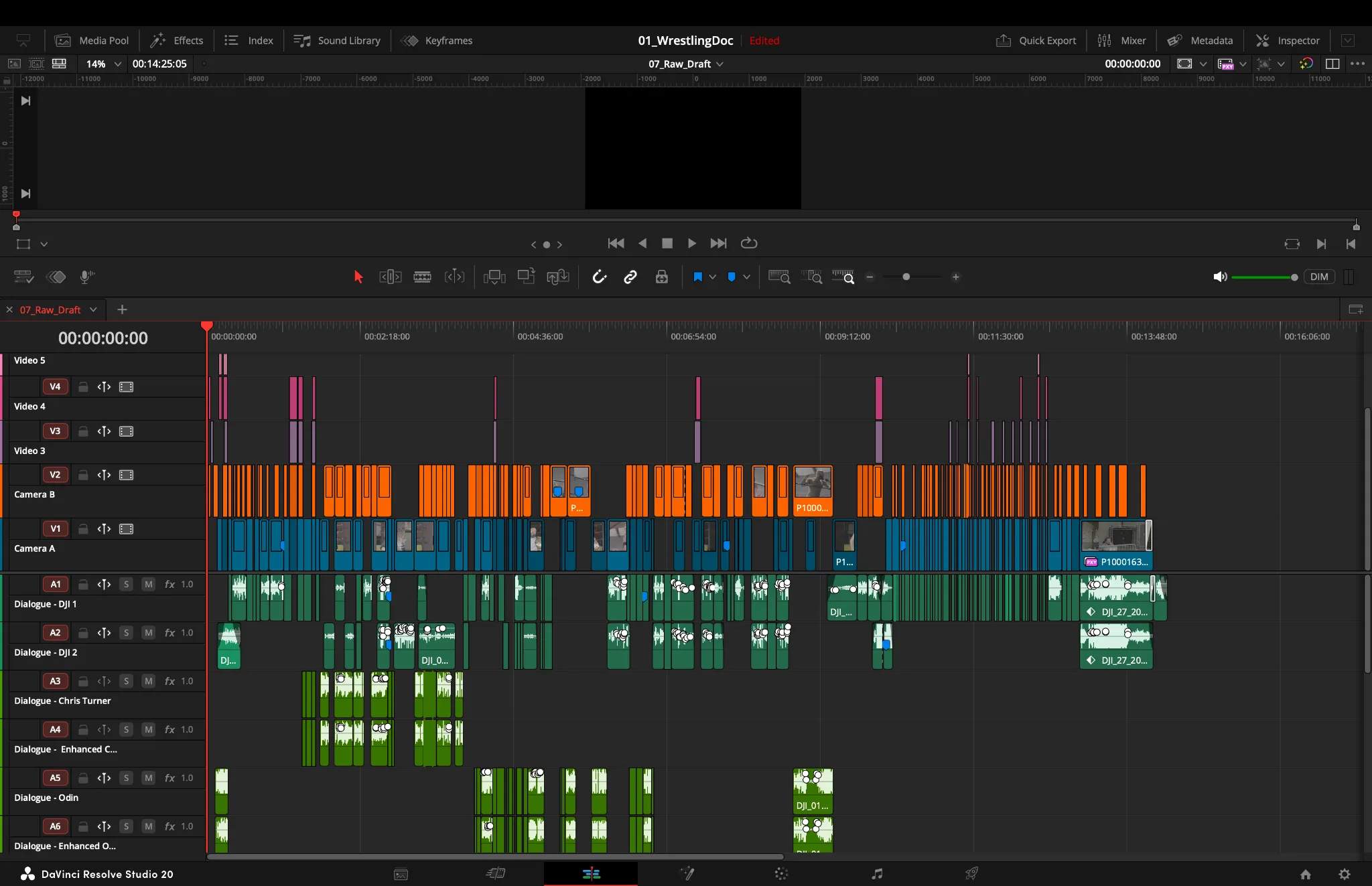
The year of color finally had somewhere to go.
After This Guy Called Toby, Alexander had spent nearly a year studying color grading because he believed the final image could carry more emotion than he previously knew how to give it. A Violent Soap Opera became the first documentary where that work could fully enter the film.
The grade was built around a nostalgic 1990s-inspired palette: restrained teal-and-orange relationships, greater density, controlled saturation, and an image designed to feel more tactile and less immediately digital. Color alone consumed roughly a month of refinement, with trusted outside opinions helping refine saturation, blue hues, skin tone, and the overall balance.
The goal was not to imitate film. It was to give the image memory.
04Release & Screening
MOCA Jacksonville · May 6, 2026
SHOWCASE ARCHIVE · OFFICIAL POSTER
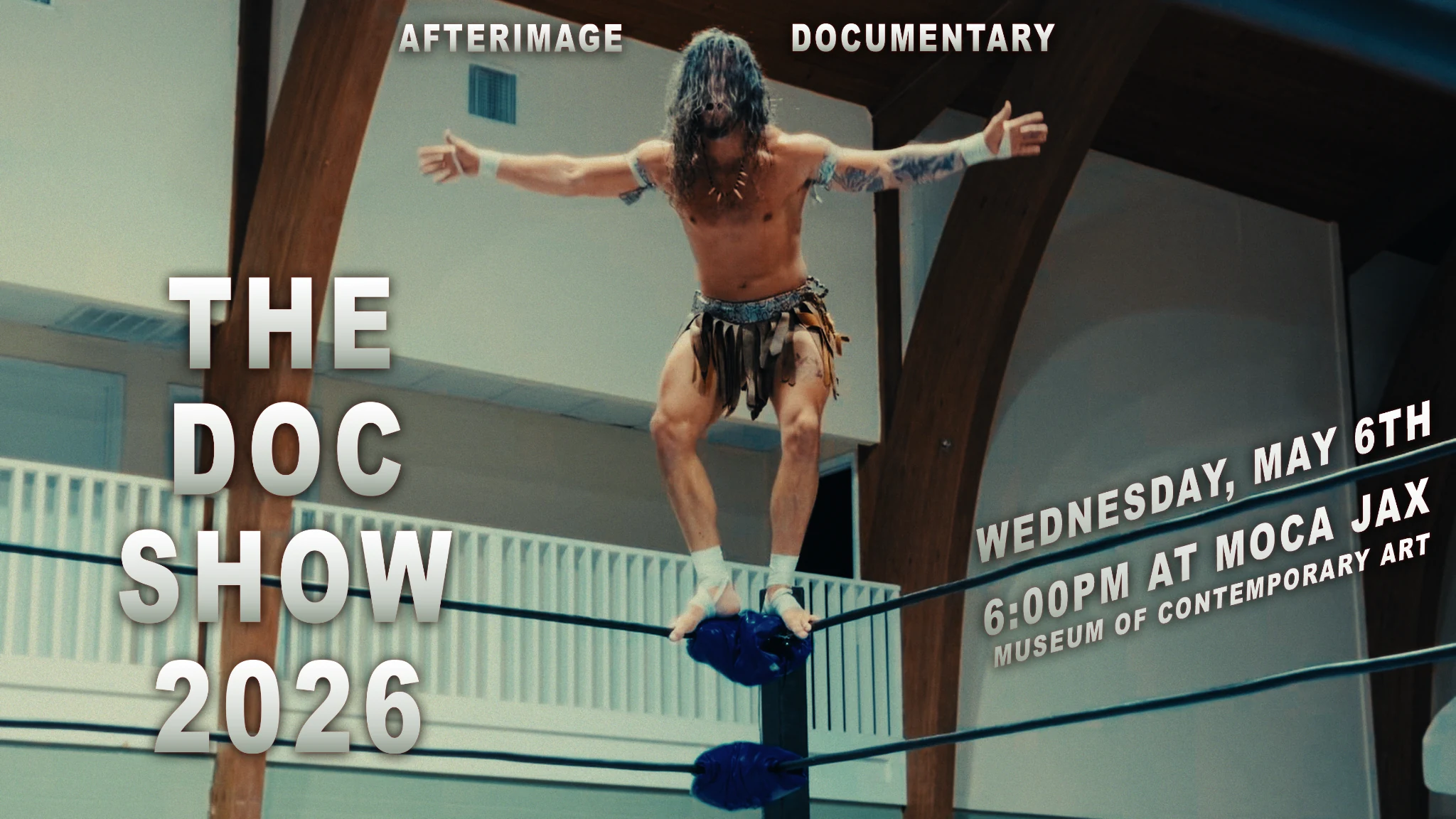
When A Violent Soap Opera premiered at MOCA Jacksonville, the wrestlers came. Not one or two representatives. Everyone.
Joselien and Alexander watched a documentary that looked and sounded the way they had wanted these films to feel for years. Then Odin Davenport won the championship on screen. Odin was the heel; Swamp Tarzan was the man the audience wanted to see win. When Tarzan lost, the theater booed Odin.
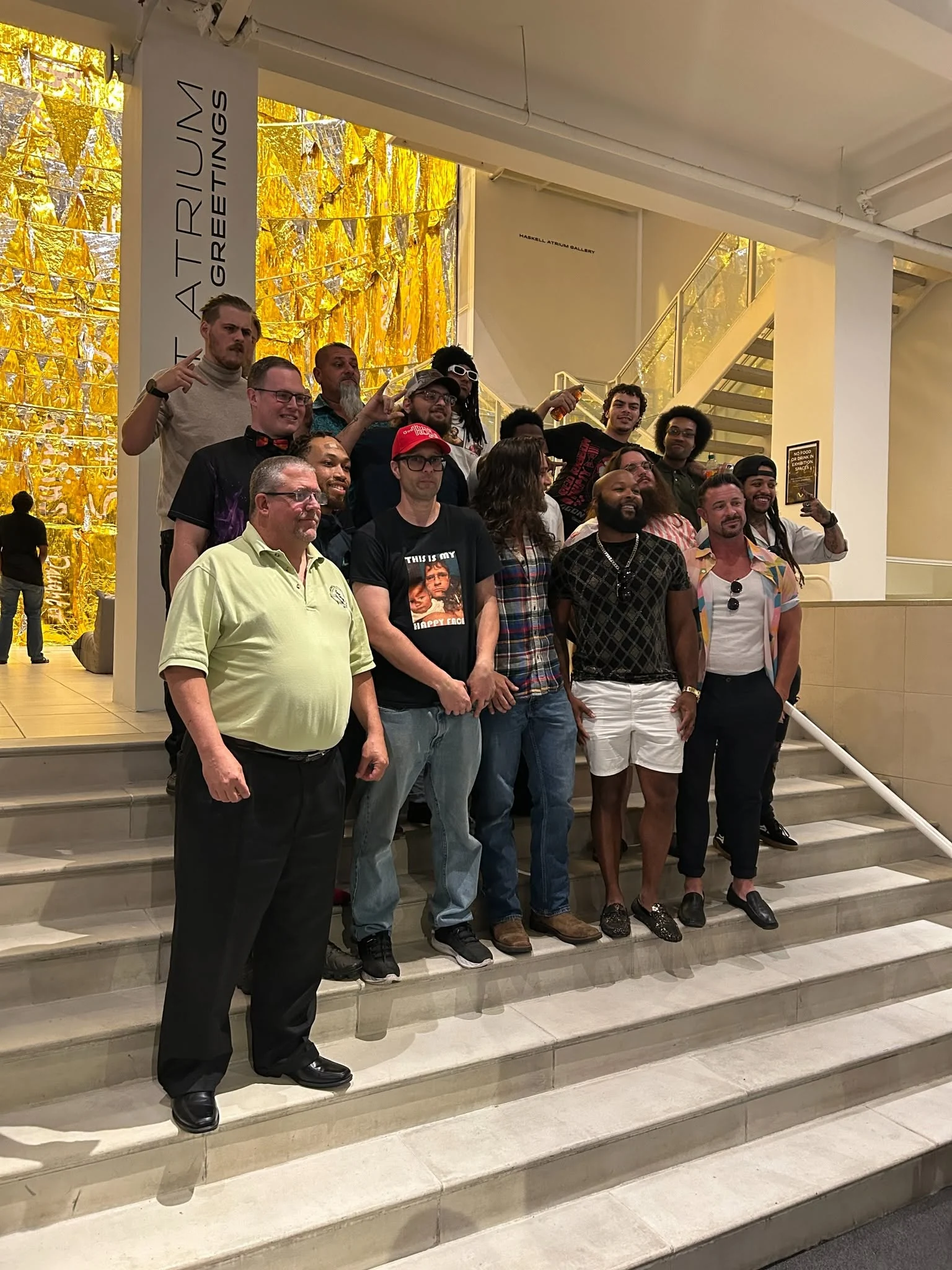
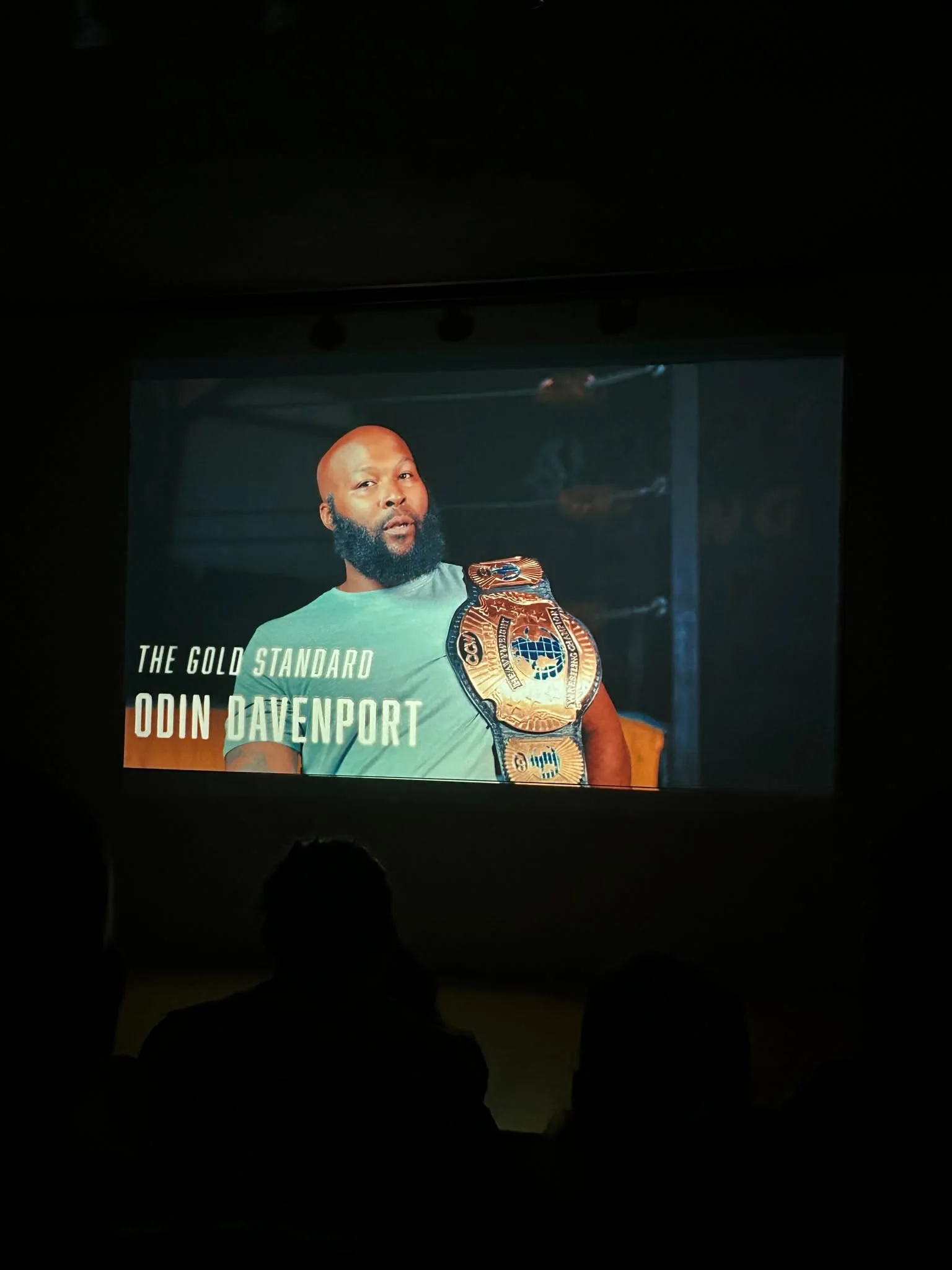
For a moment, the distance between documentary and narrative disappeared.
The audience was no longer simply watching footage of an event that had already happened. They were emotionally inside it. That reaction became a defining realization: nonfiction could carry the emotional force usually reserved for narrative film.
Recognition.
After the screening, Chris Turner came to thank Alexander personally. The wrestlers did the same. They had described themselves as a collection of ragtag people making wrestling together; what mattered was that, for fourteen minutes, their work had been treated with seriousness.
Chris’s decades of work running CCW had been put on a screen. The wrestlers’ craft had been put on a screen. Their world had been allowed to matter.
Recognition does not require exaggeration. Sometimes it only requires that someone looks closely enough.
Portrait No. 001
The standard was not declared. It was built.
Under The Big Top taught the cost of carrying too much alone. This Guy Called Toby taught what preparation could change. A Violent Soap Opera showed what happens when preparation is joined by a team and every part of the film is given the same care.
The story adapted when reality changed. The image was given time. The sound was treated seriously. The subjects trusted the process. And when the film met an audience, the people on screen were not treated like content. They were treated like people worth preserving.